

ELIÁŠKA / KAMENICKÝ ŠENOV / SINCE 1905
We bring light back to Eliáška.
Light once travelled from here across the world.
Together, we are bringing it back.
Our story
A rich history.
A remarkable story to continue.
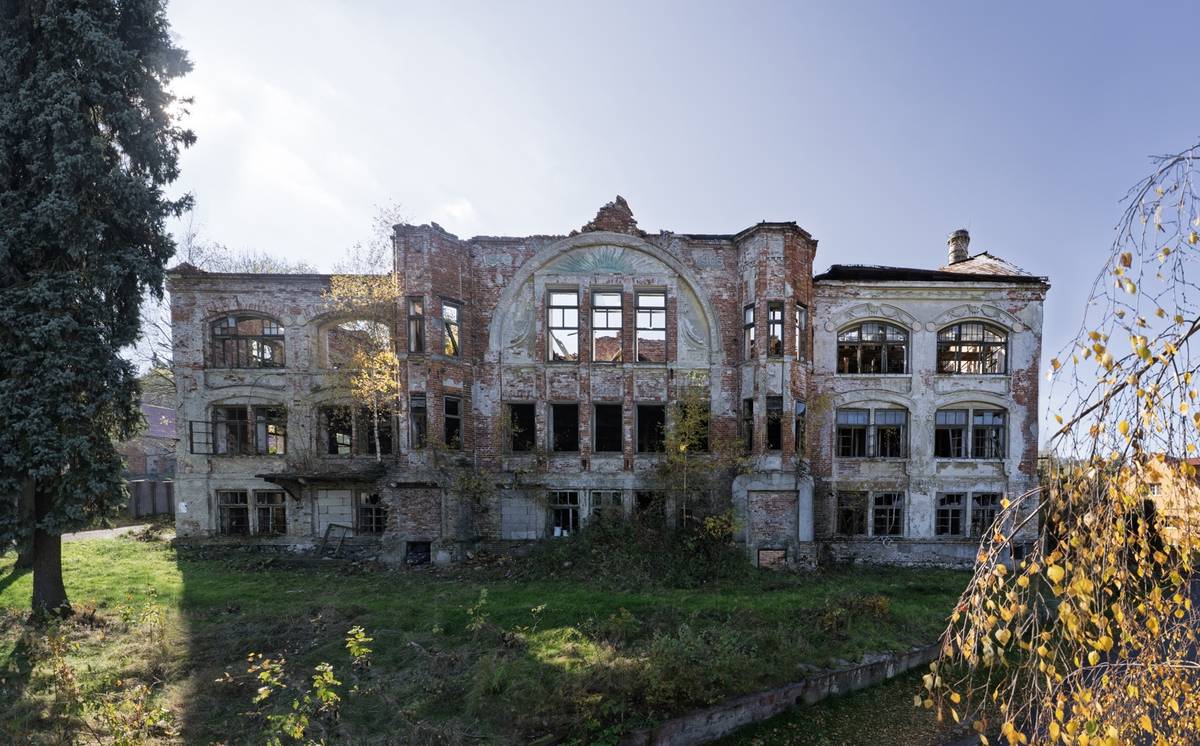
We established the Eliáška Foundation in 2024 and bought the entire complex of the former Elias Palme chandelier factory in the summer of 2025. We began with urgent conservation work and are gradually bringing life back to a place where the history of light was made.
Eliáška Foundation
The people
behind Eliáška.
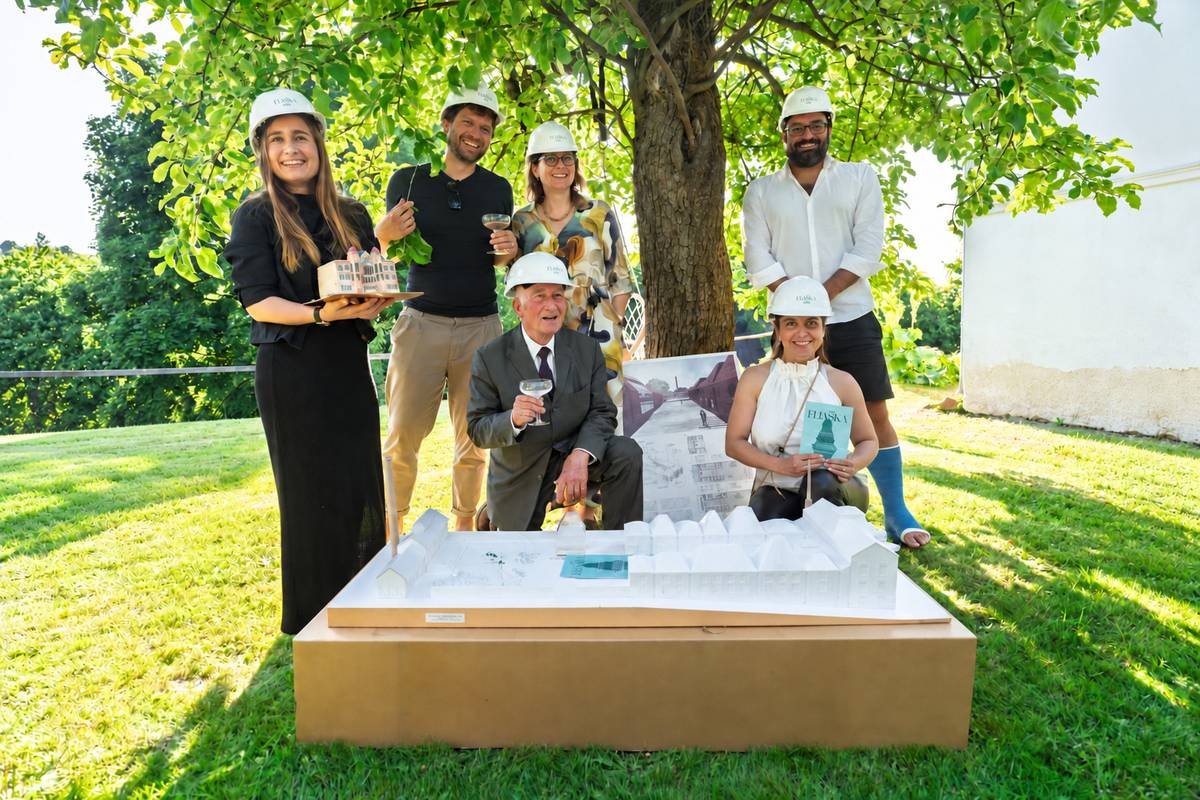
Eliáška brought us together, along with a determination to change its present condition. We bring experience in architecture, glassmaking, business and law.
Peter Rath
Visionary, researcher and a descendant of the Lobmeyr family.
Tereza Šváchová
Architect and author of the vision for Eliáška’s renewal.
Lukáš Polák
Glass enthusiast and local entrepreneur.
Petra Matelová
Glass artist and entrepreneur.
Barbora Masařová
Lawyer.
Ondřej Plánička
Lawyer.
Come closer.
Become part of the story
Big things begin
with a little help.
We have made a start, and that matters most. But every helping hand and every donation still counts. We appreciate everyone who joins a volunteer workday, makes a financial gift or puts us in touch with people who can help. Every contribution moves Eliáška a good step forward. Thank you so much!
Make a donation
Help fund materials, construction and specialist work.
Lend a hand
I can join a volunteer workday. Keep me posted!
Connect people
I know someone who could help.
Share memories
I have photographs, catalogues or personal memories to share.
Our donors and partners
The Eliáška project is funded with the support of regular donors and partners.



History
One building.
Generations of light.
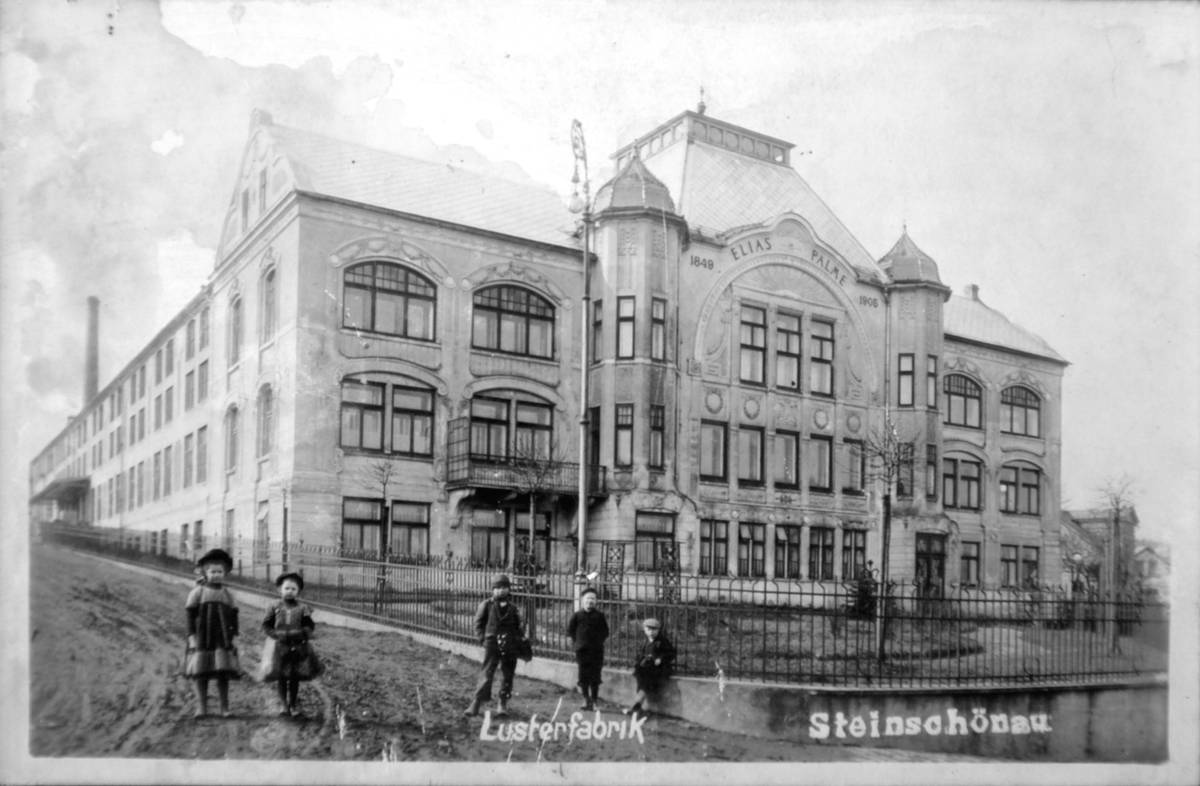
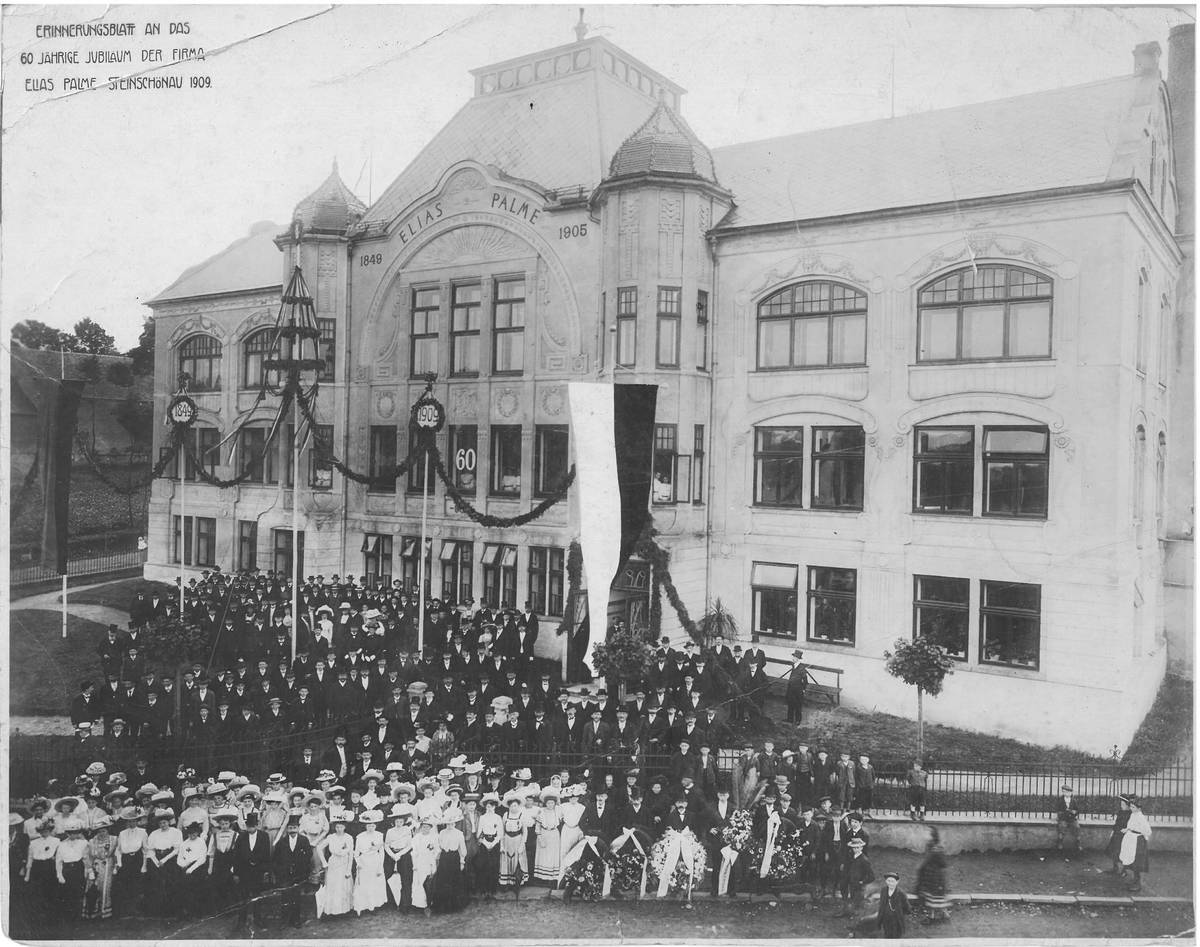
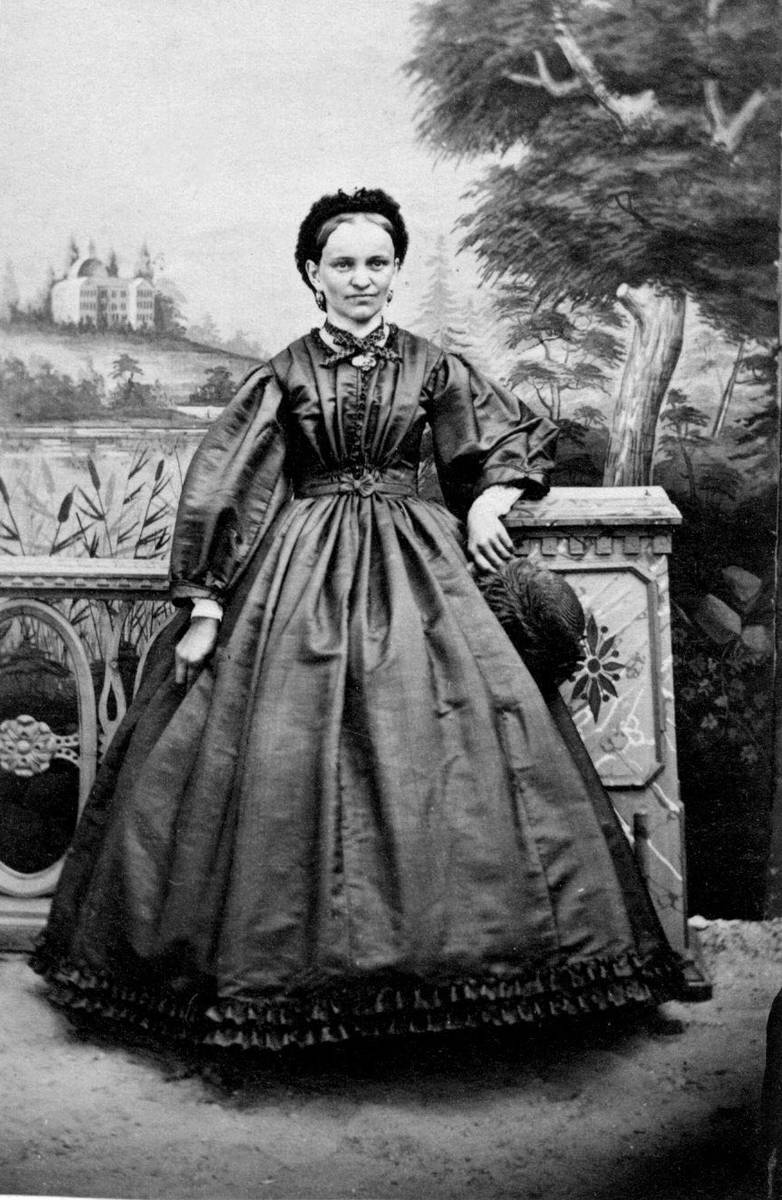
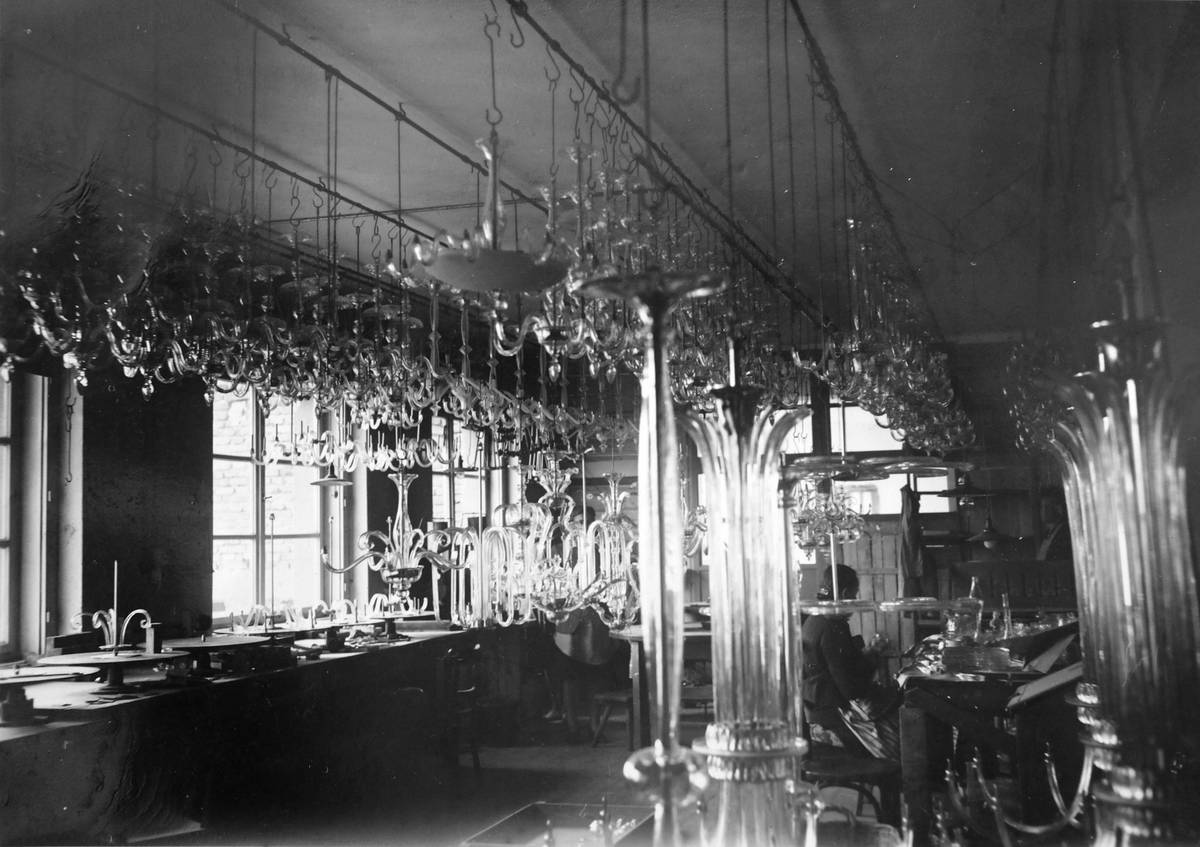
Eliáška’s story began long before the factory we see today was built. Elias Palme founded his company in Kamenický Šenov in 1849. Over the following decades, it joined the glassmaking craft with new technologies and grew into a business whose lights travelled far beyond the town.
- 1724
A town of glassmakers.
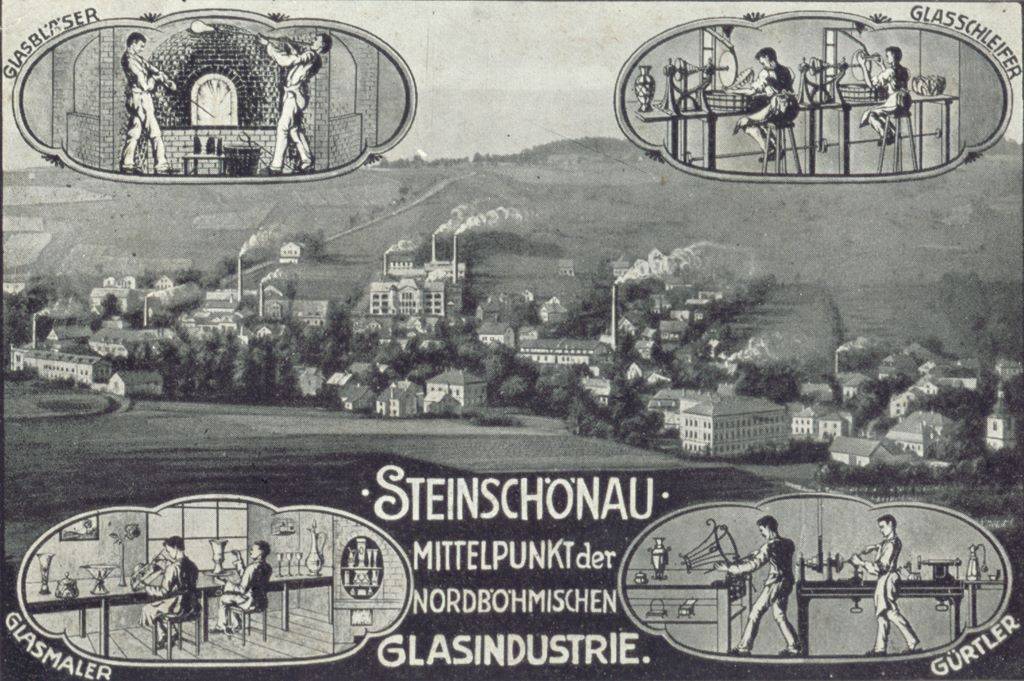
Josef Palme, a metalworker from nearby Prácheň, receives permission to make chandeliers. The Kamenický Šenov area gradually becomes a centre of glassmaking and chandelier production.
- 1849
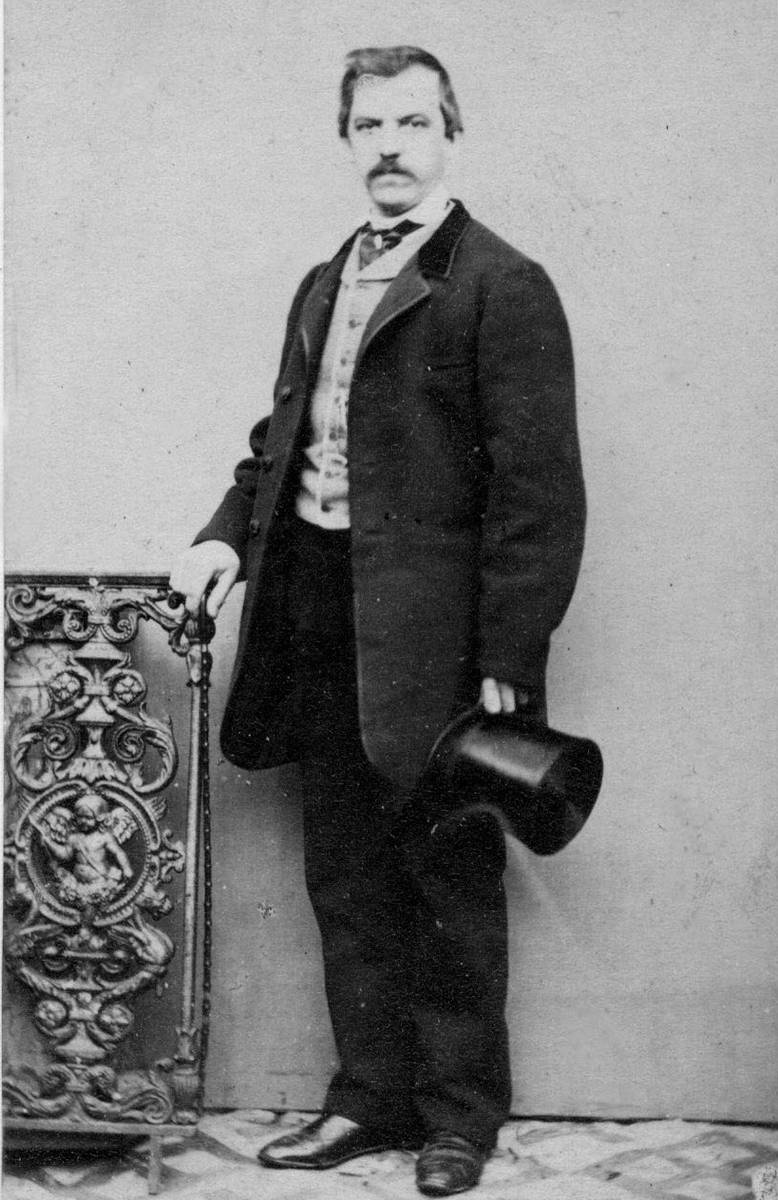
Elias Palme establishes his company.
At 22, metalworker Elias Palme begins work in an annex to his parents’ house in Kamenický Šenov. The small workshop will grow into a family business with an international reach.
- 1868
A devastating fire. A fresh start.
A major fire destroys much of the town, including the company’s original building. Elias Palme rebuilds on the same site and continues production despite heavy losses.
- 1876–1883
Craft enters the electric age.
Elias’s sons gradually join the company, and steam power begins to drive production. In 1882 Elias acquires a dynamo; a year later the company helps make electric chandeliers for Vienna’s Hofburg Palace.
- 1905
Eliáška is built.
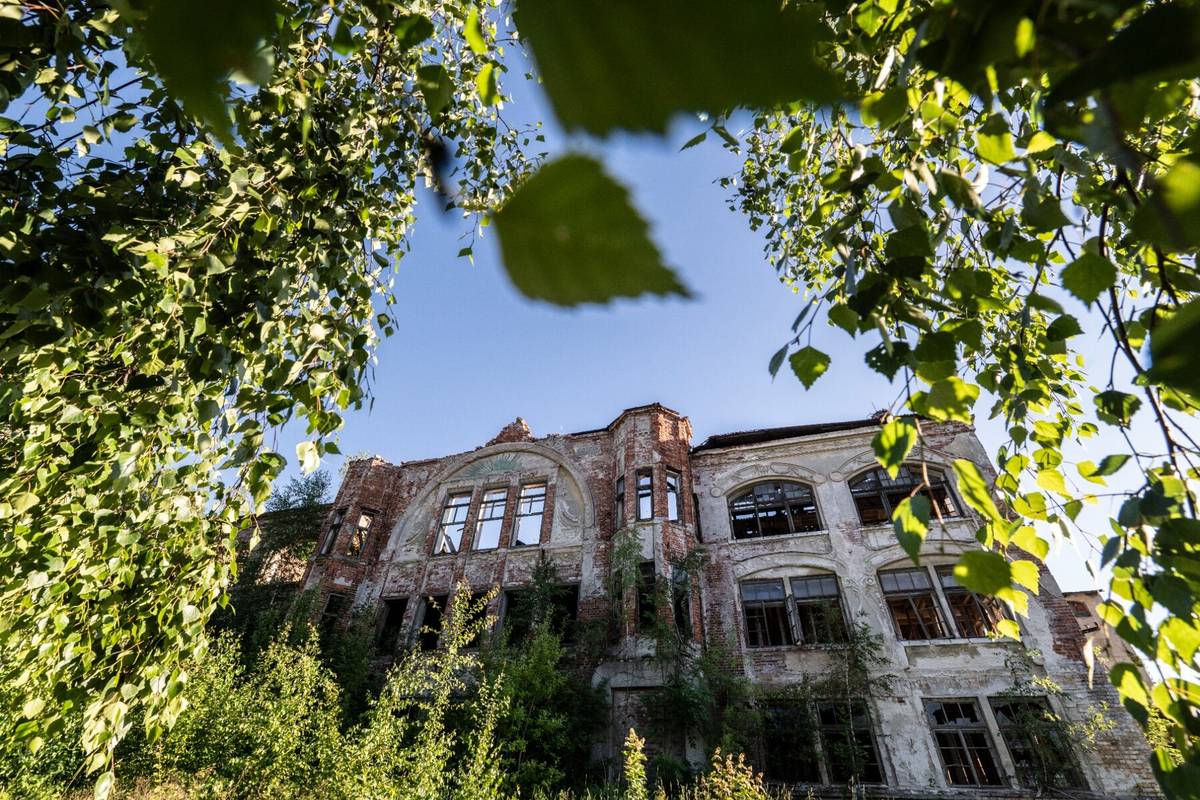
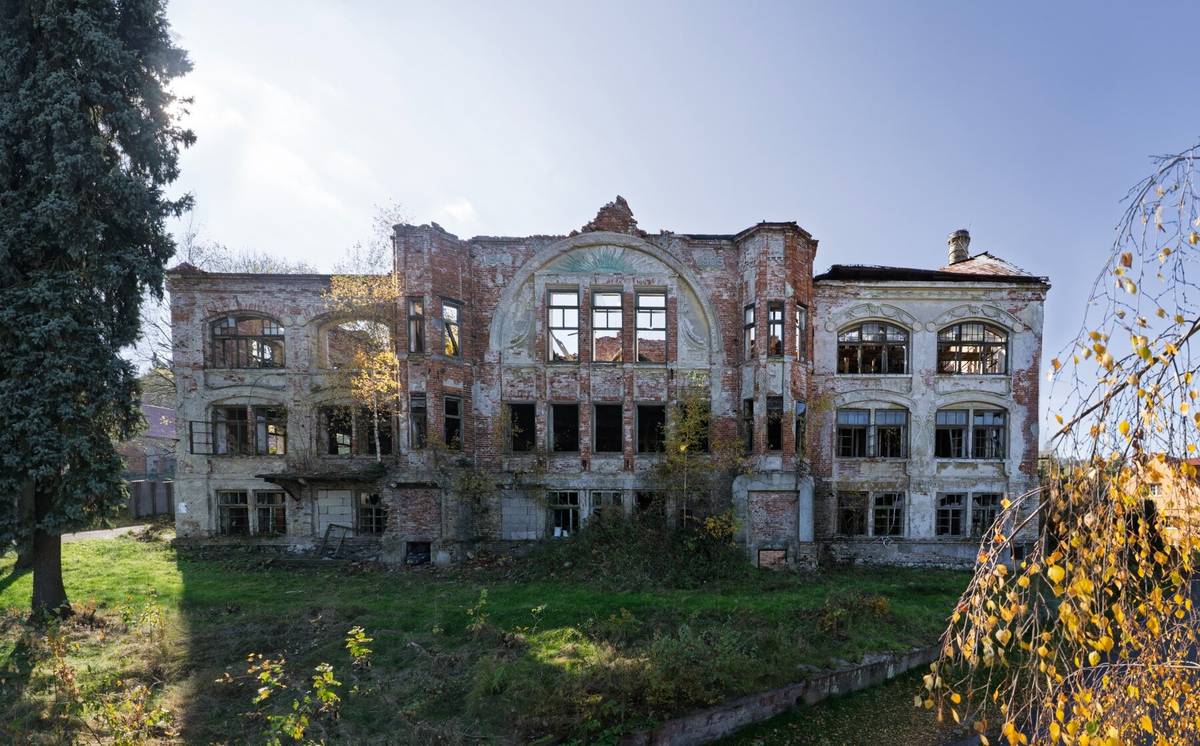
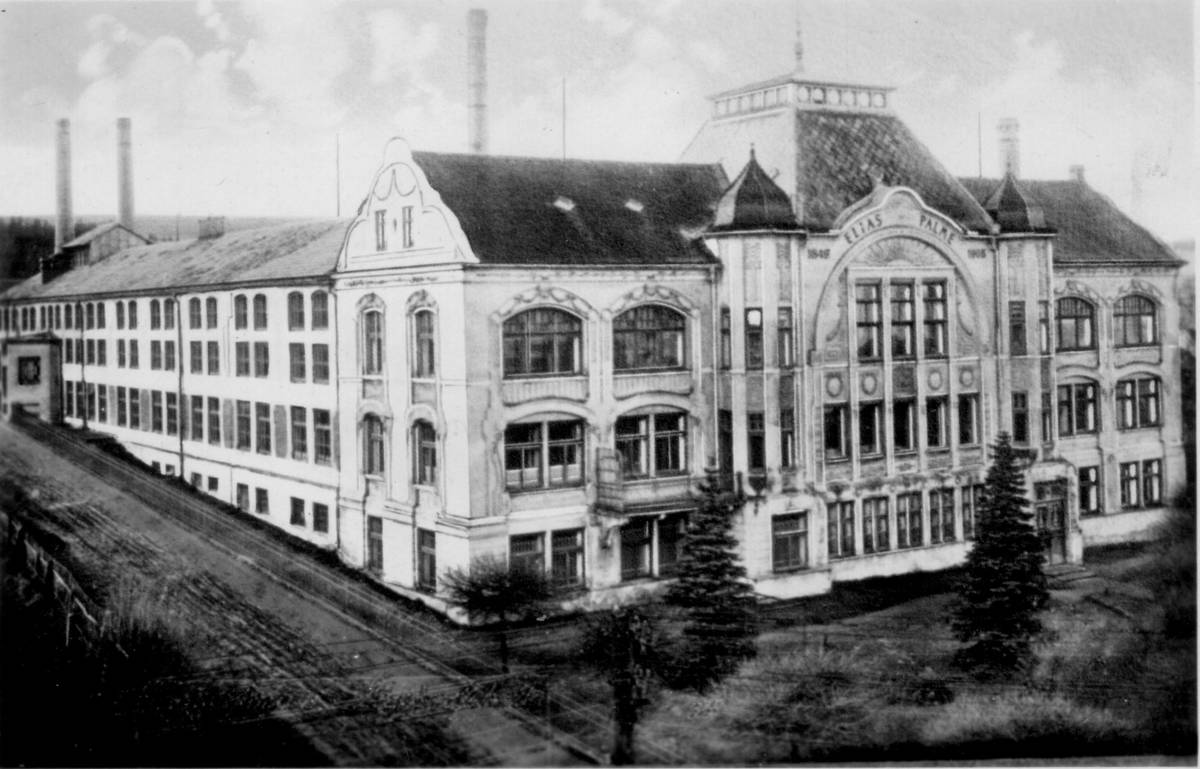
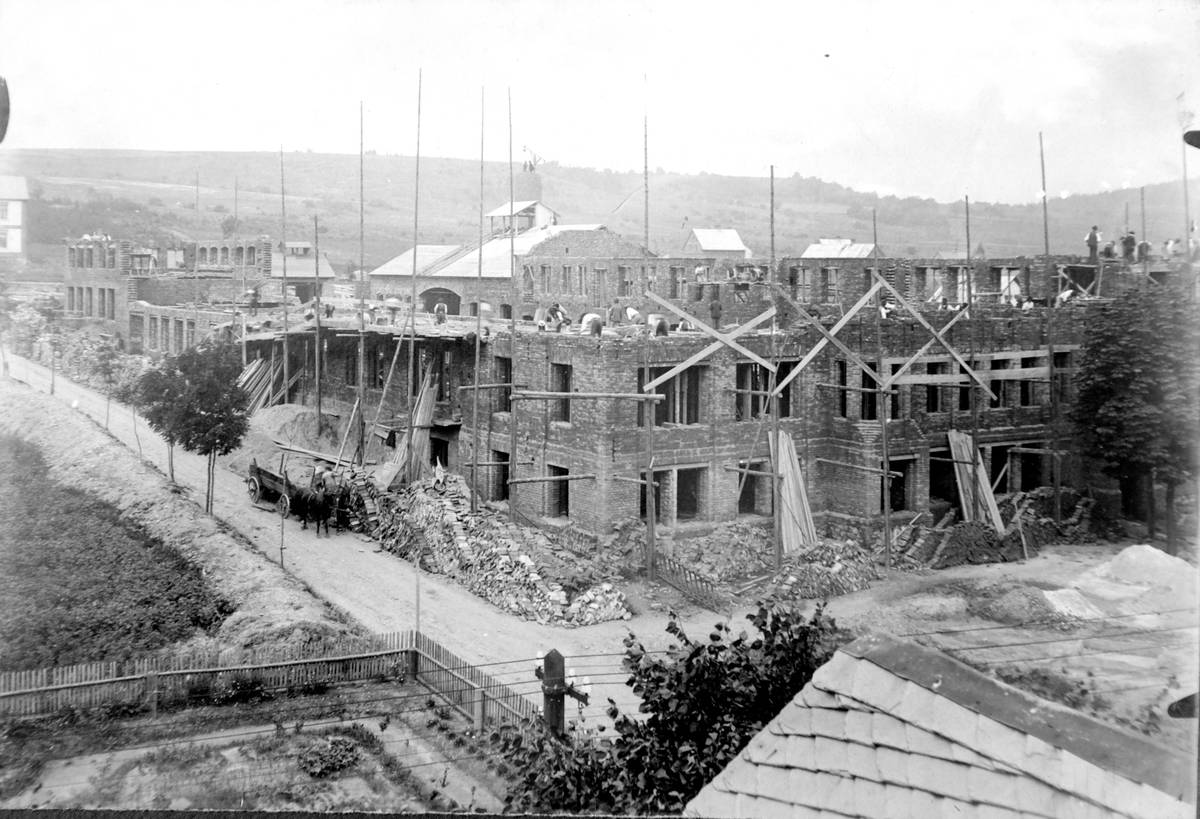
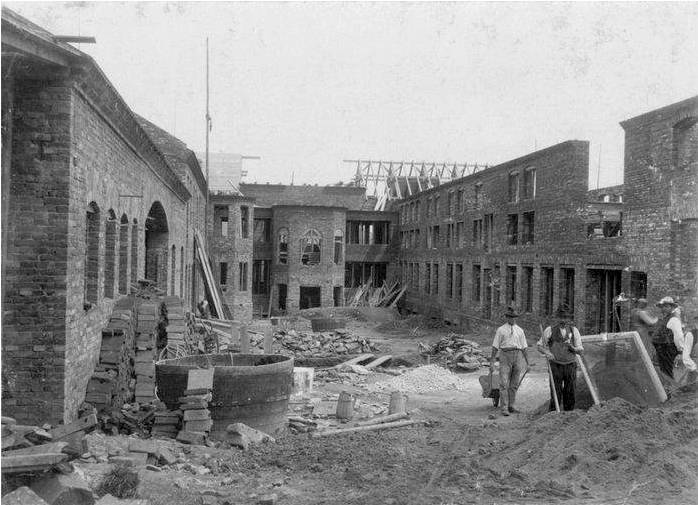
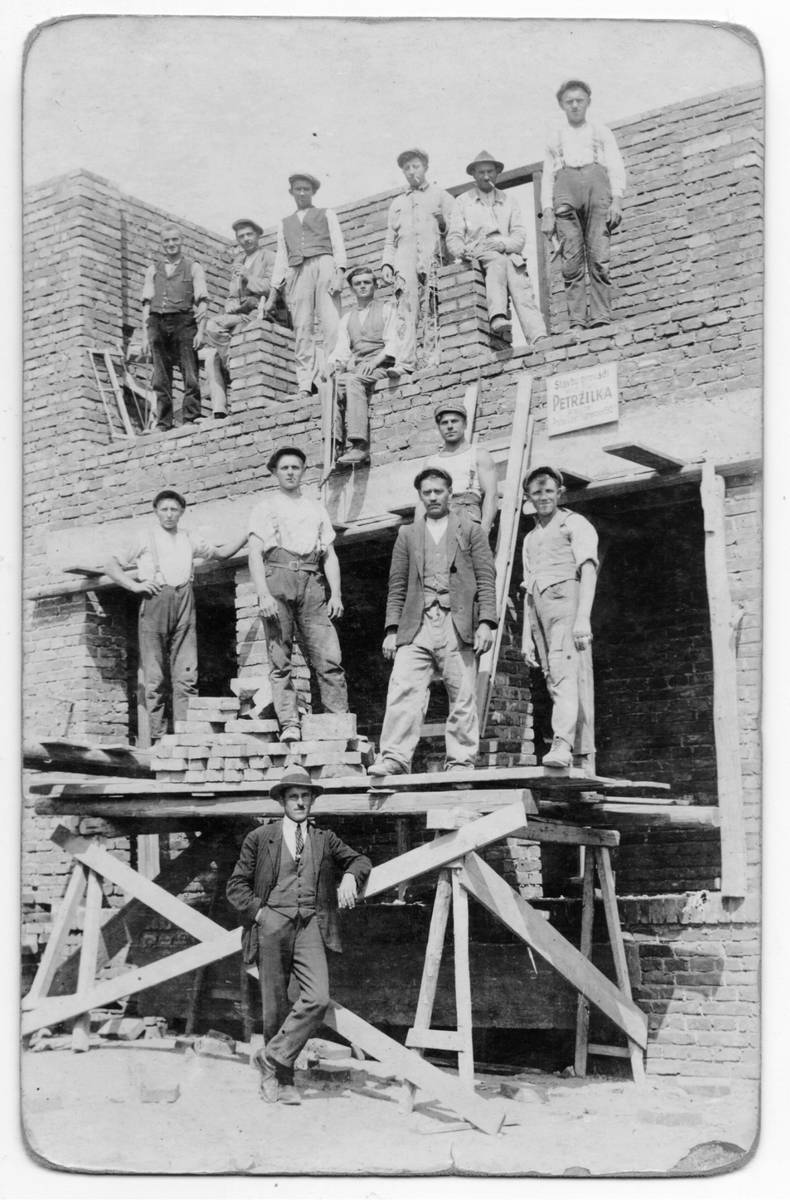
Elias’s sons build a new company headquarters to a design by local architect Adolf Richter. Construction starts on 5 May; by 1 November the company moves in without interrupting production for a single day.
- 1923–1928
The company and town flourish.
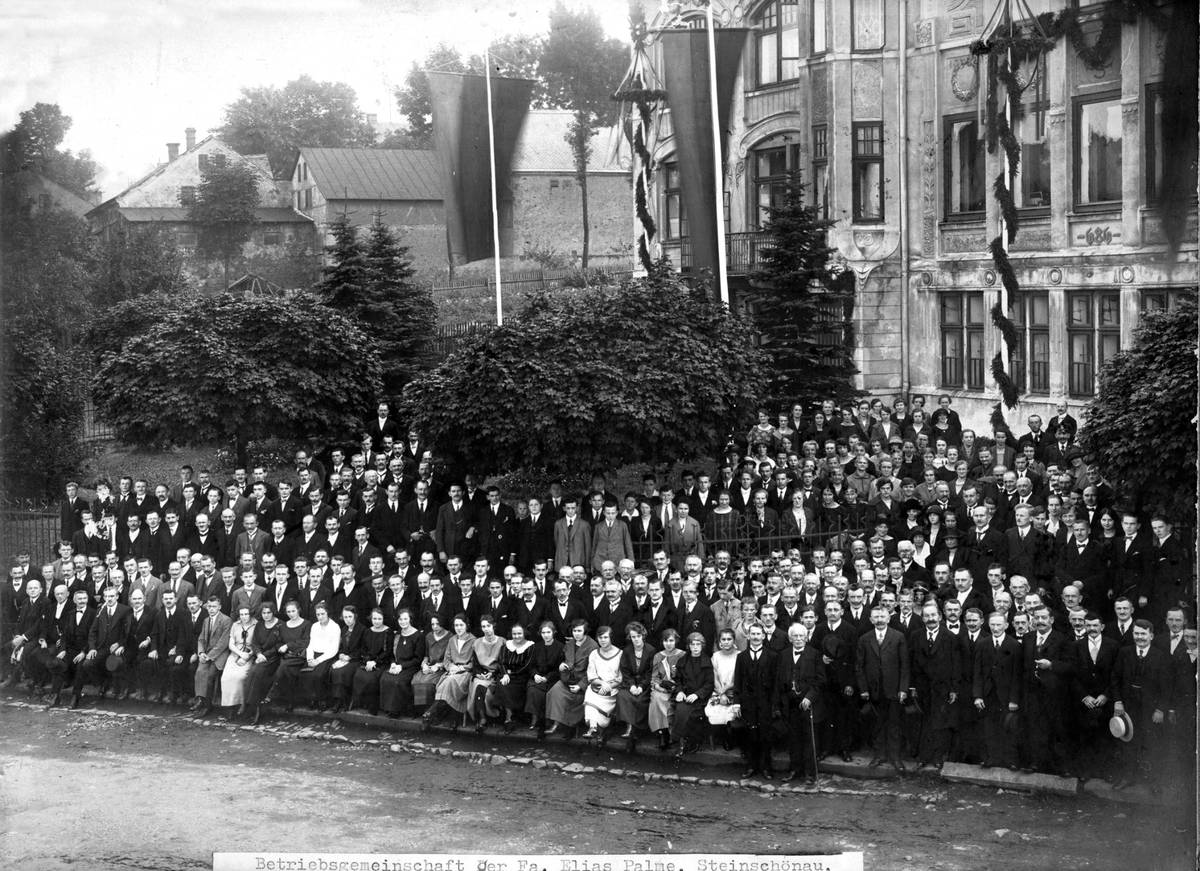
Franz Friedrich Palme founds the Glass Museum in Kamenický Šenov. The company reaches its peak and, in 1928, makes a ten-metre crystal chandelier for the Royal Opera in Rome.
- 1946
A family legacy interrupted.
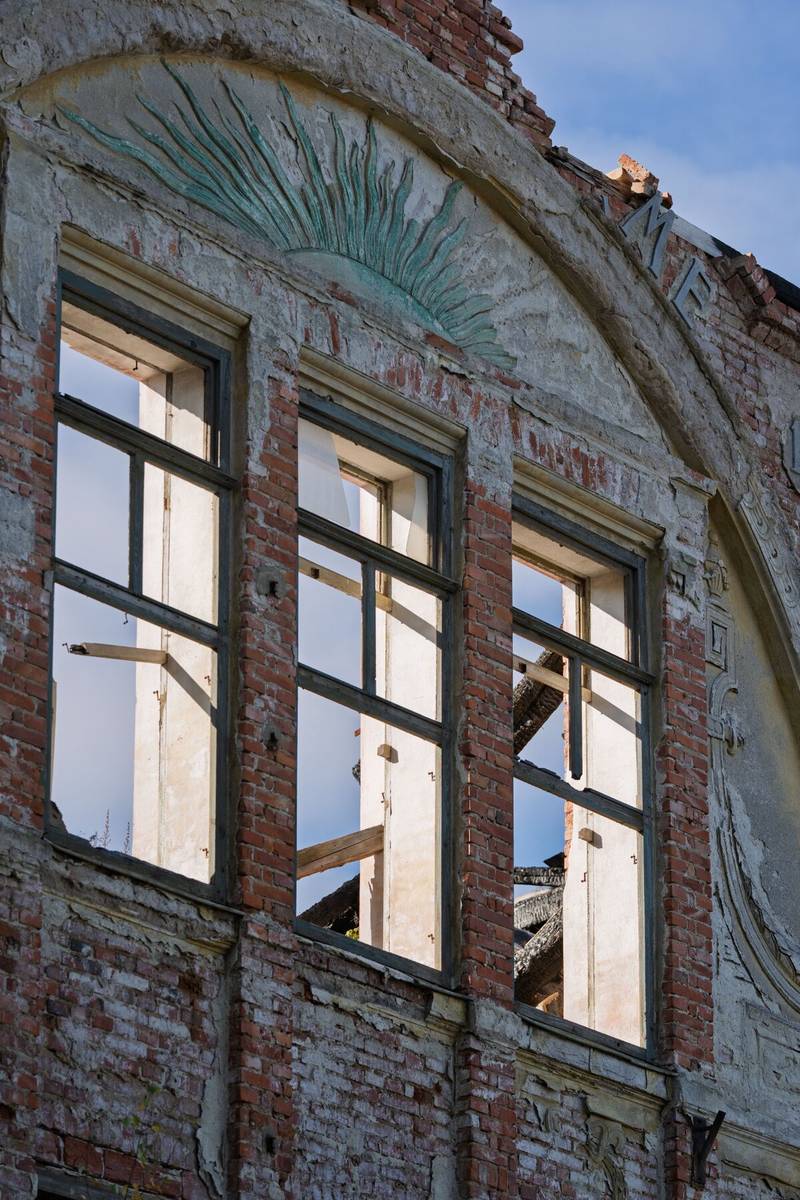
After the war and the expulsion of the German population, the company is nationalised. Eliáška becomes Enterprise 01; the family firm’s name remains only on its iconic façade.
- 1972
Production ends.
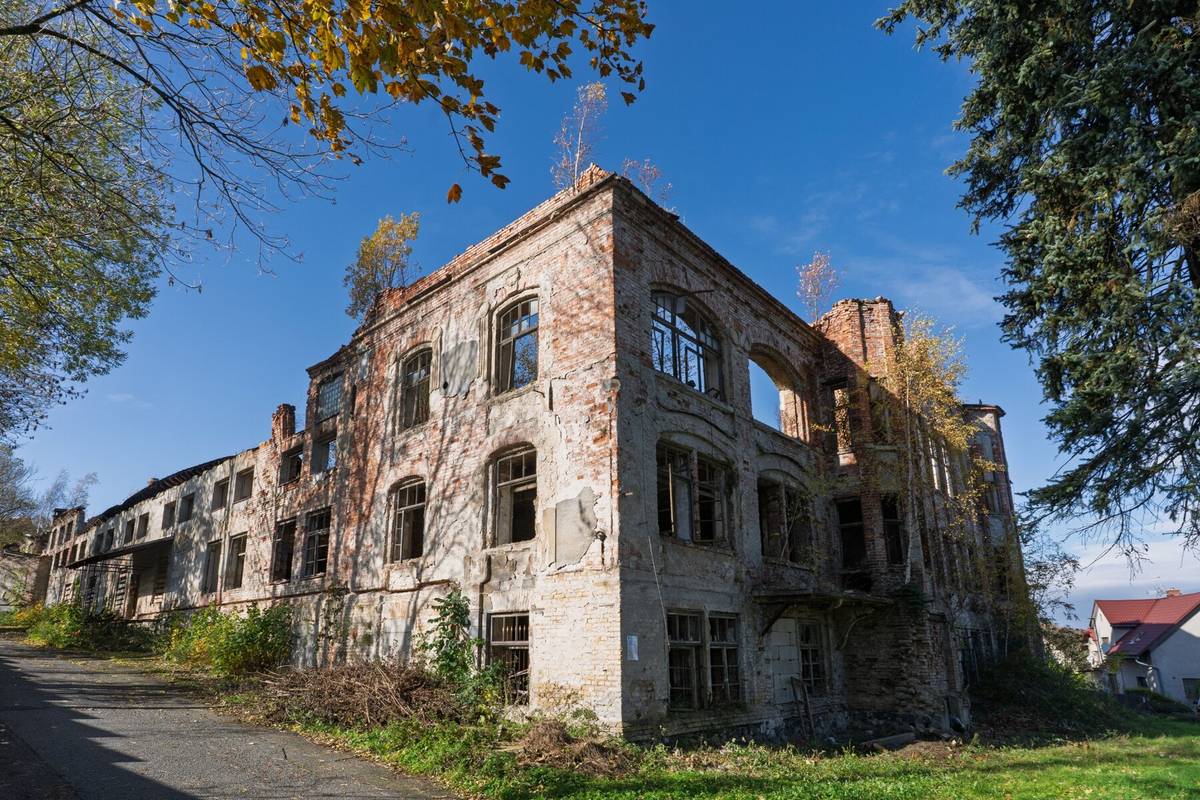
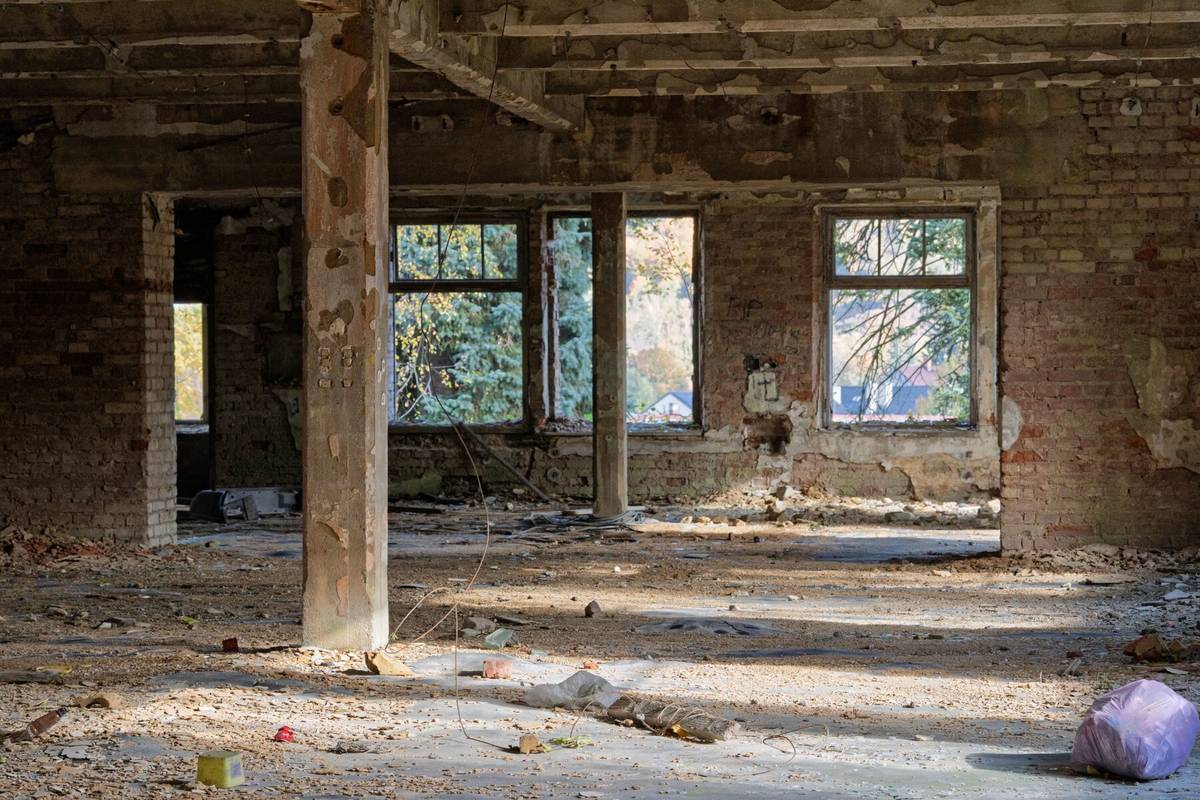
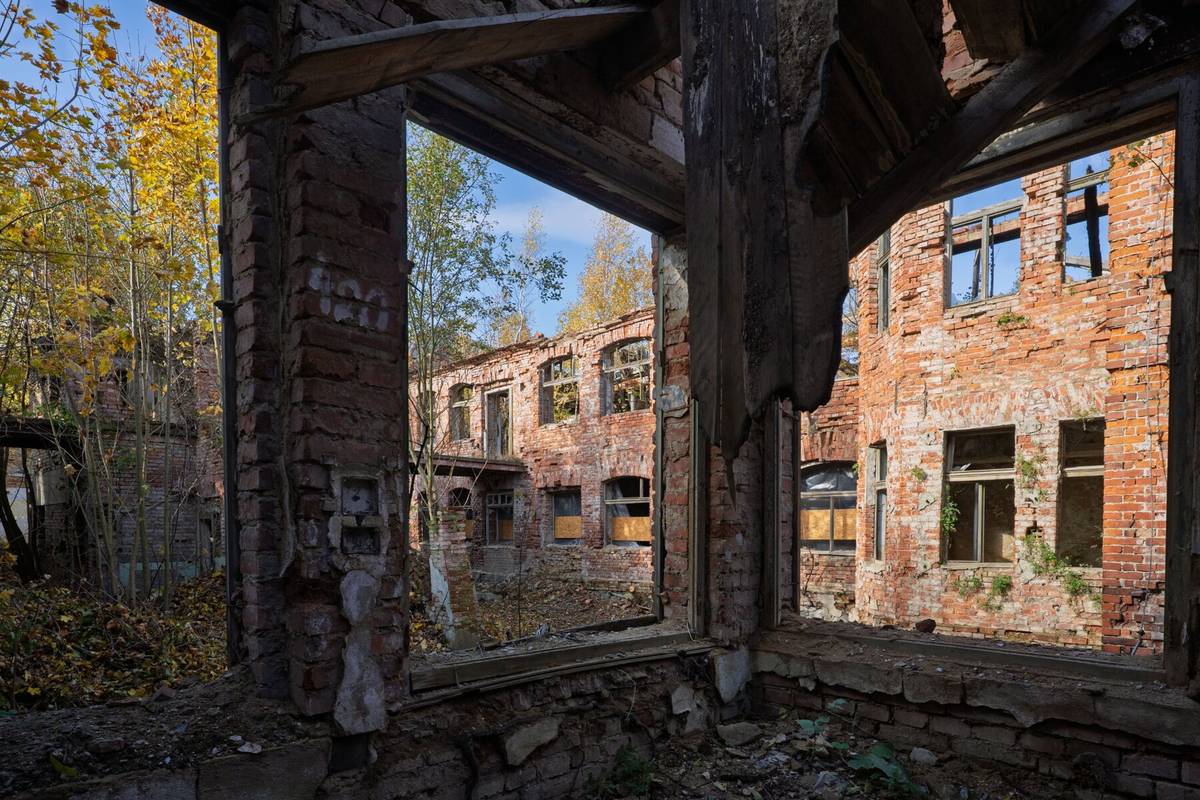
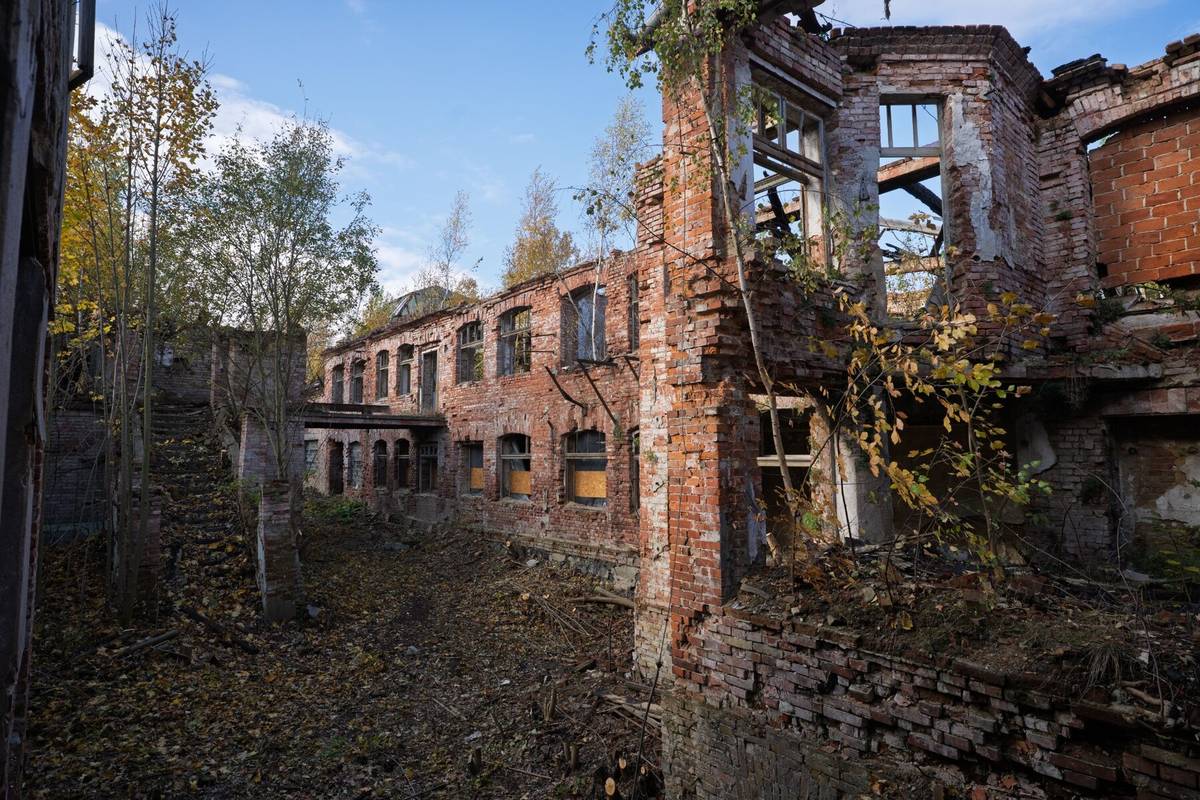
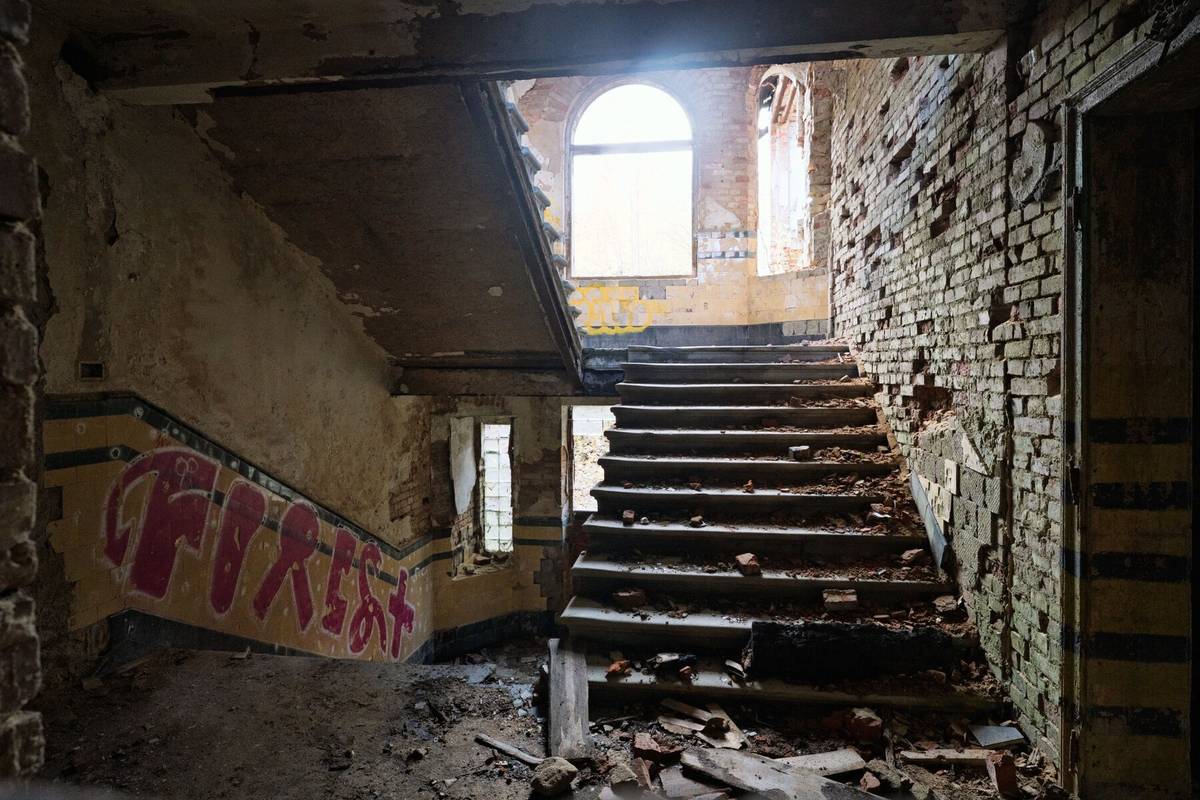
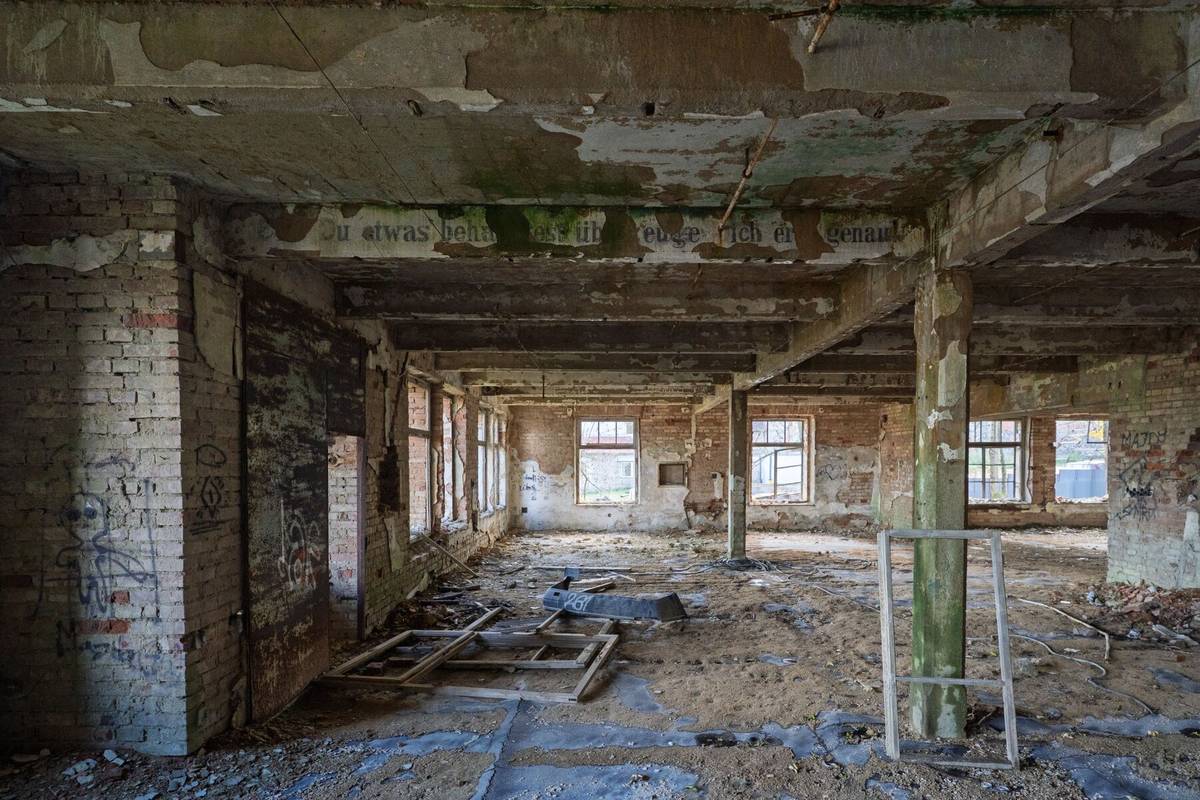
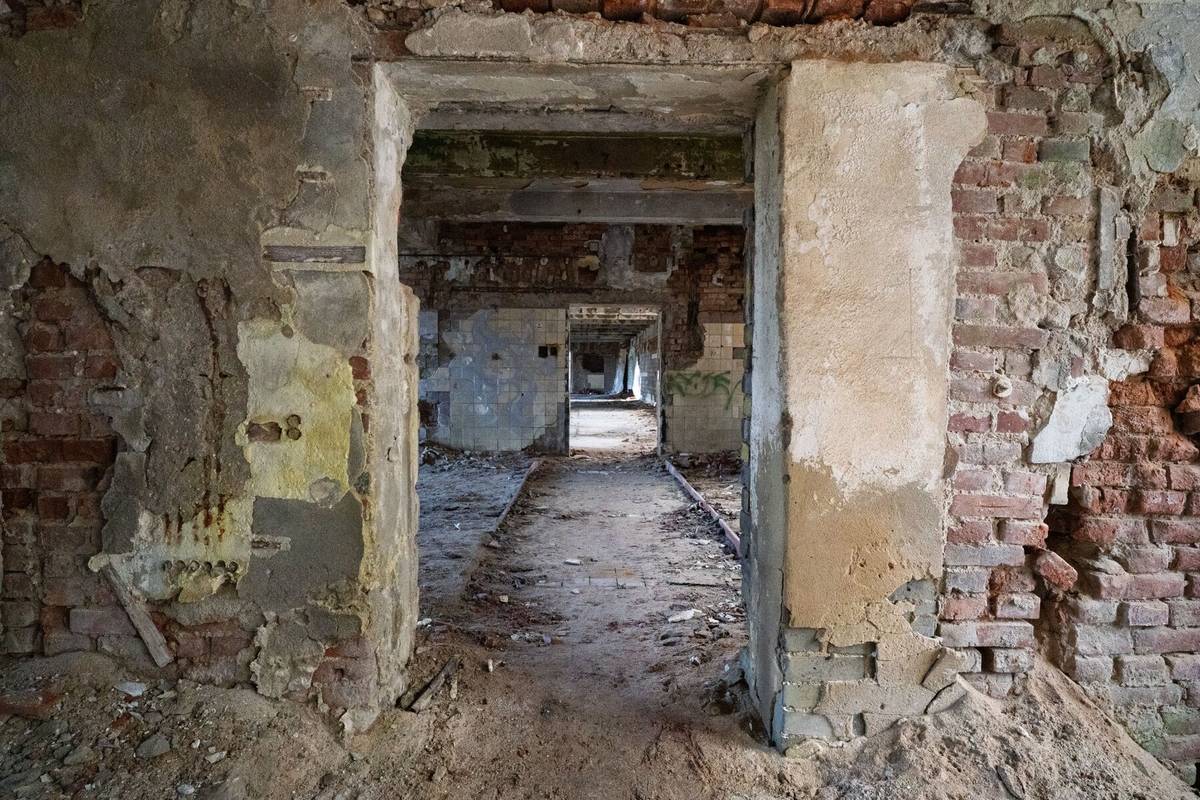
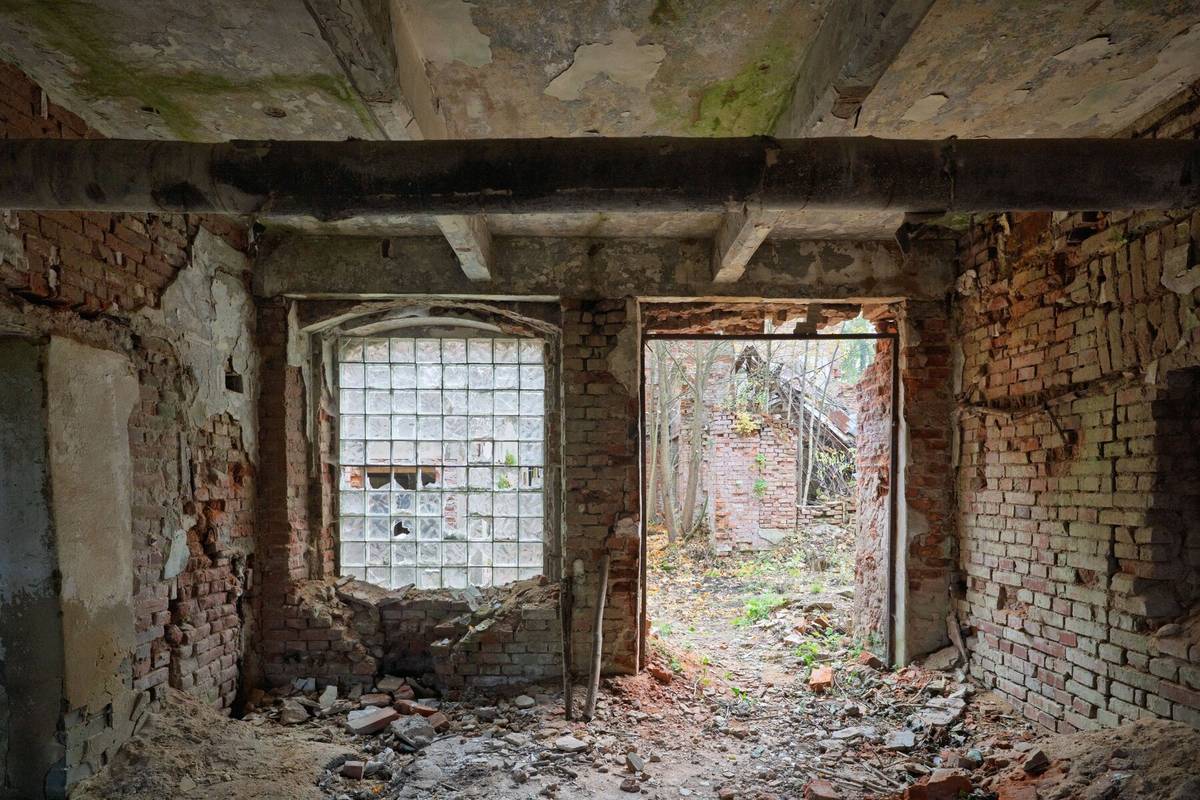
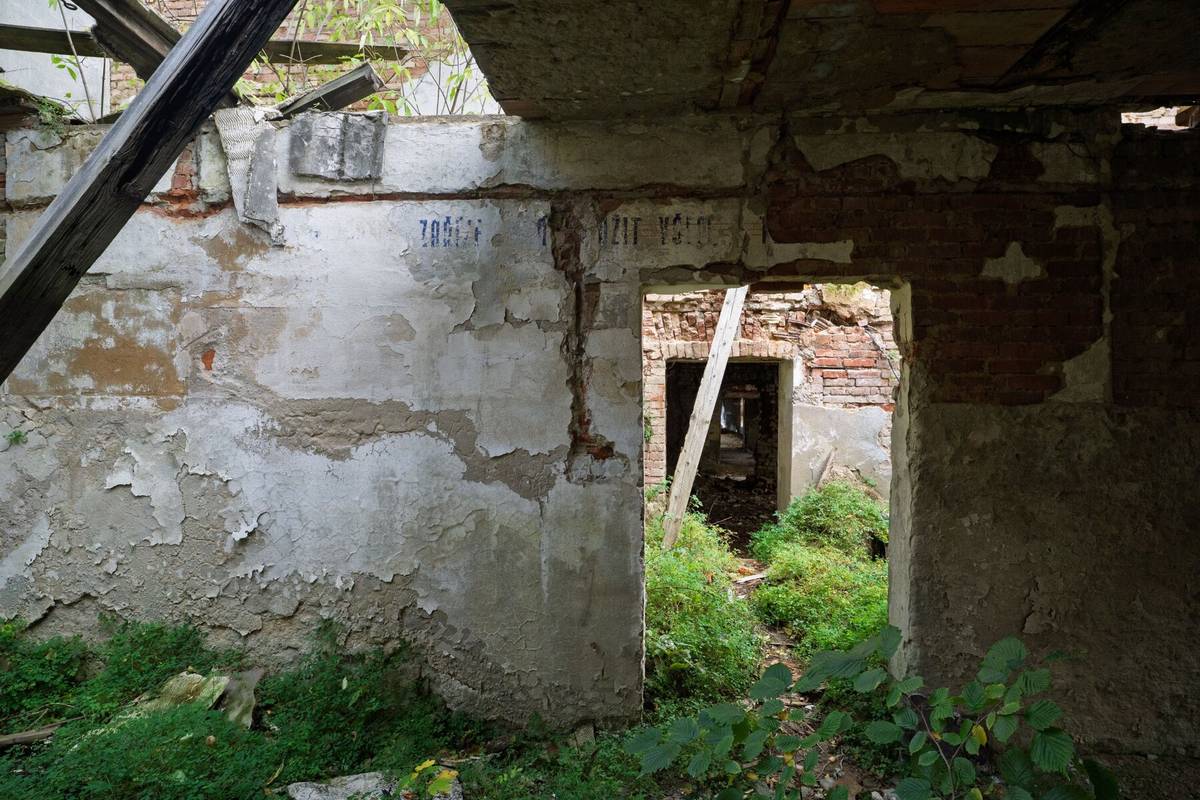
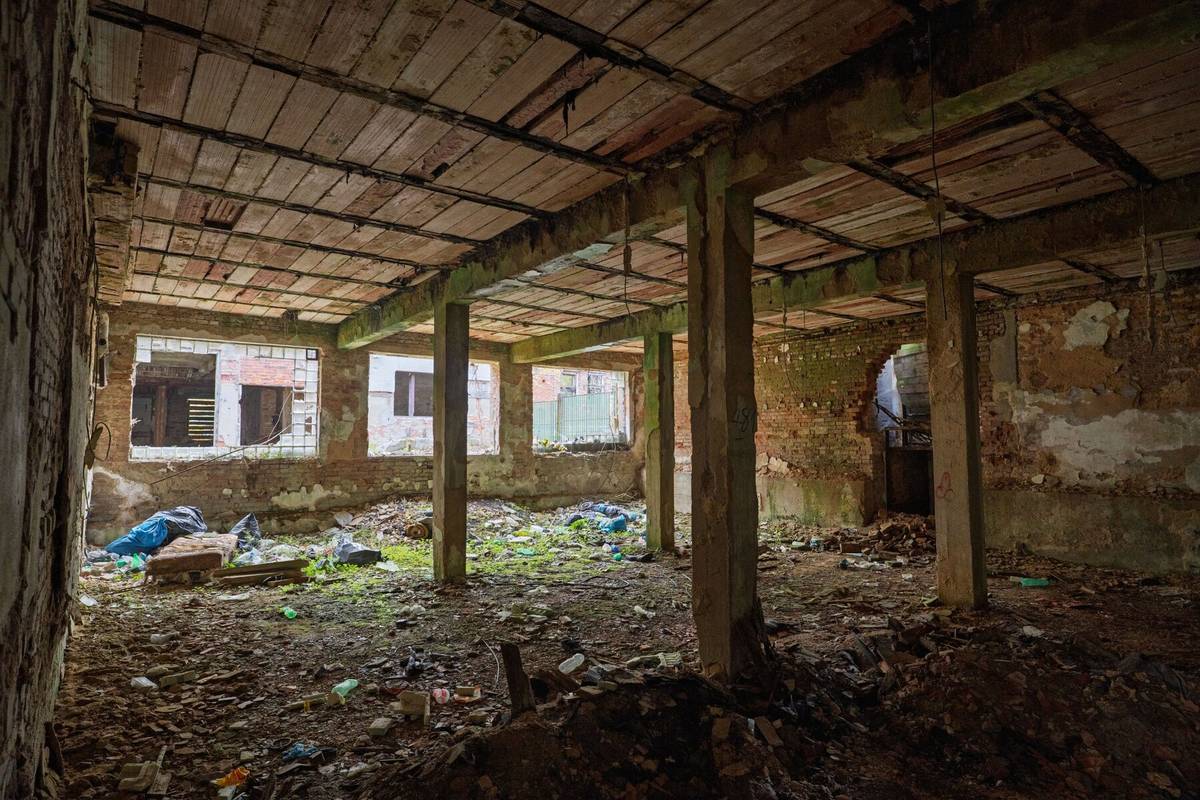
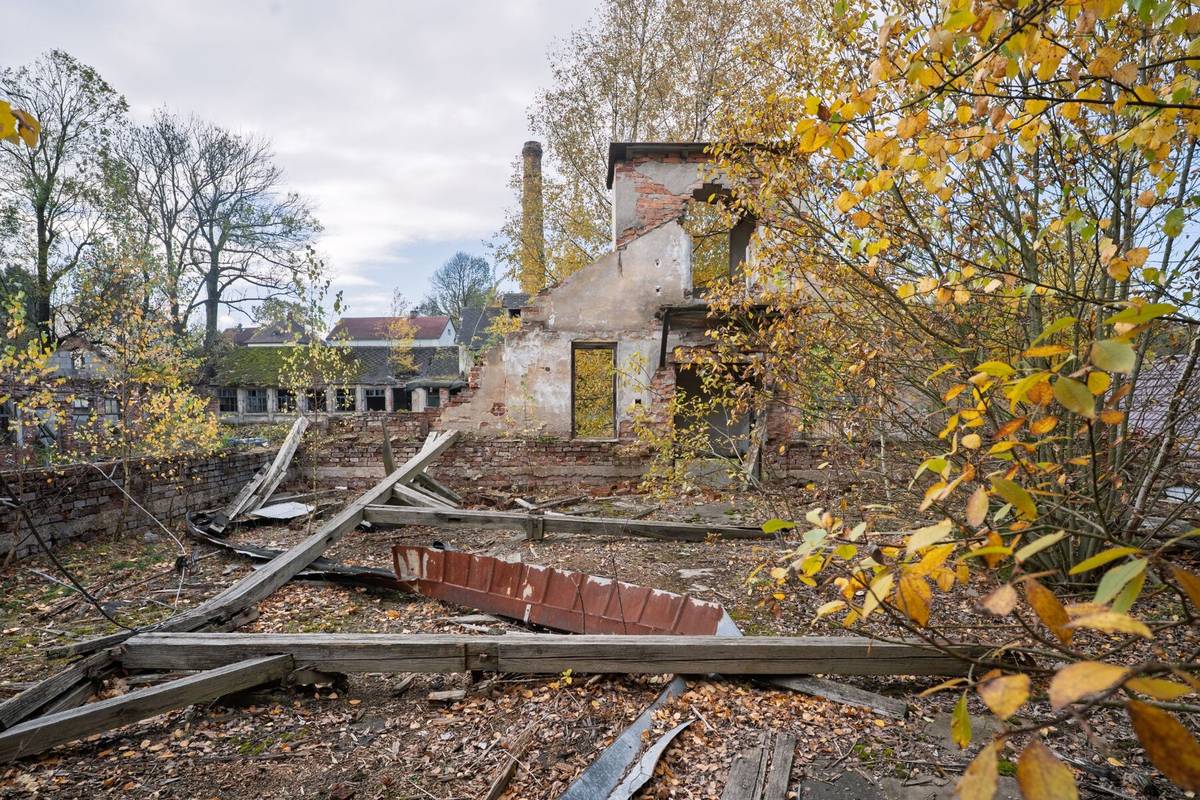
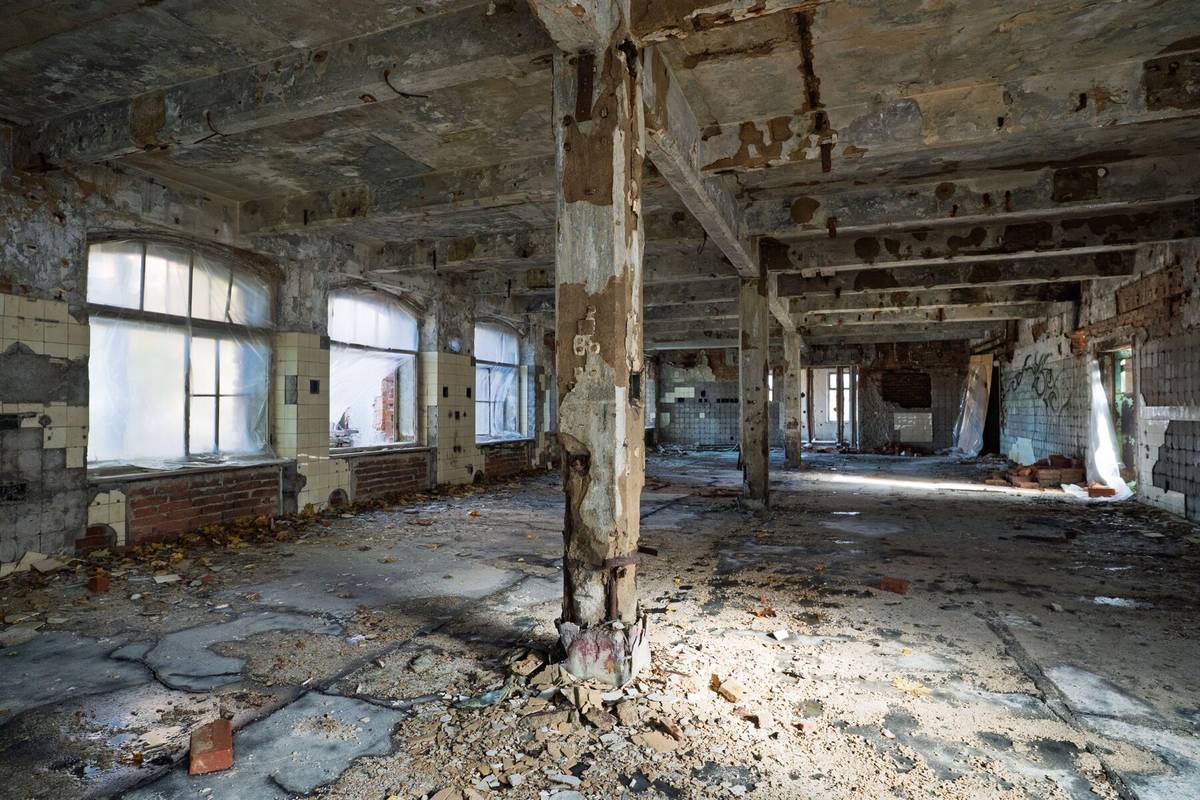
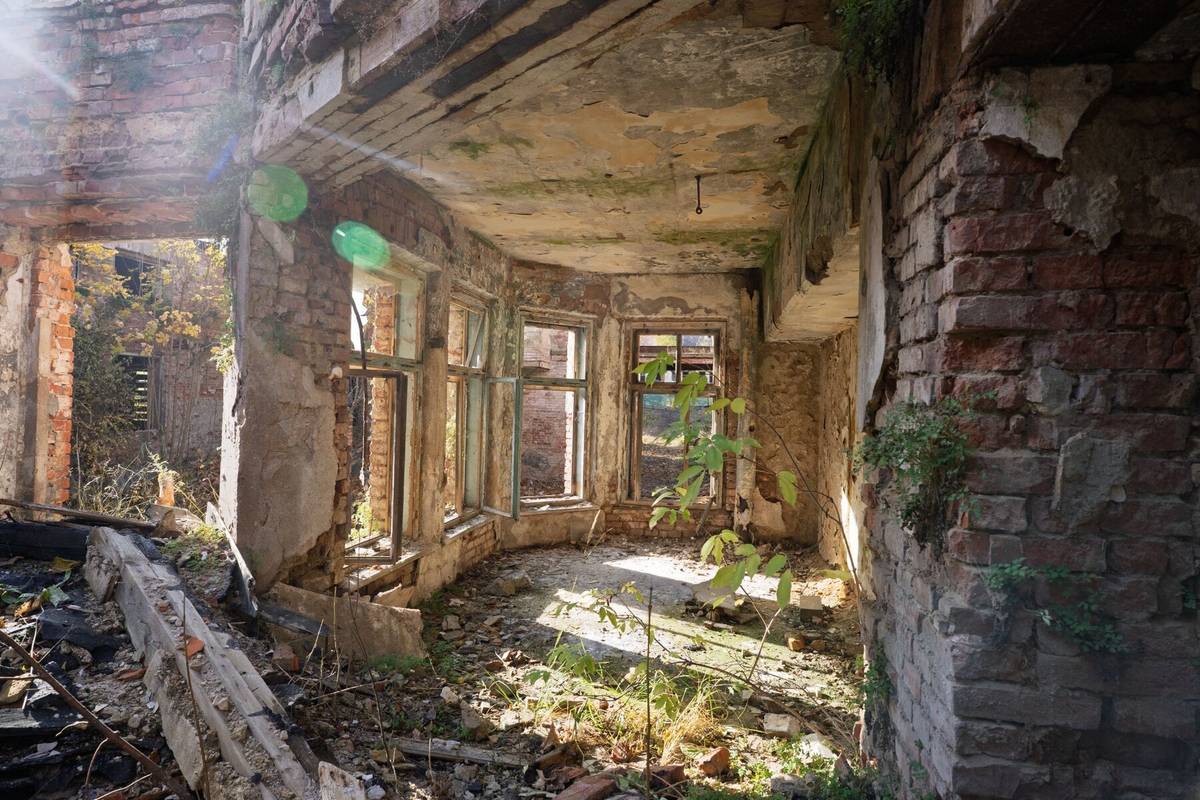
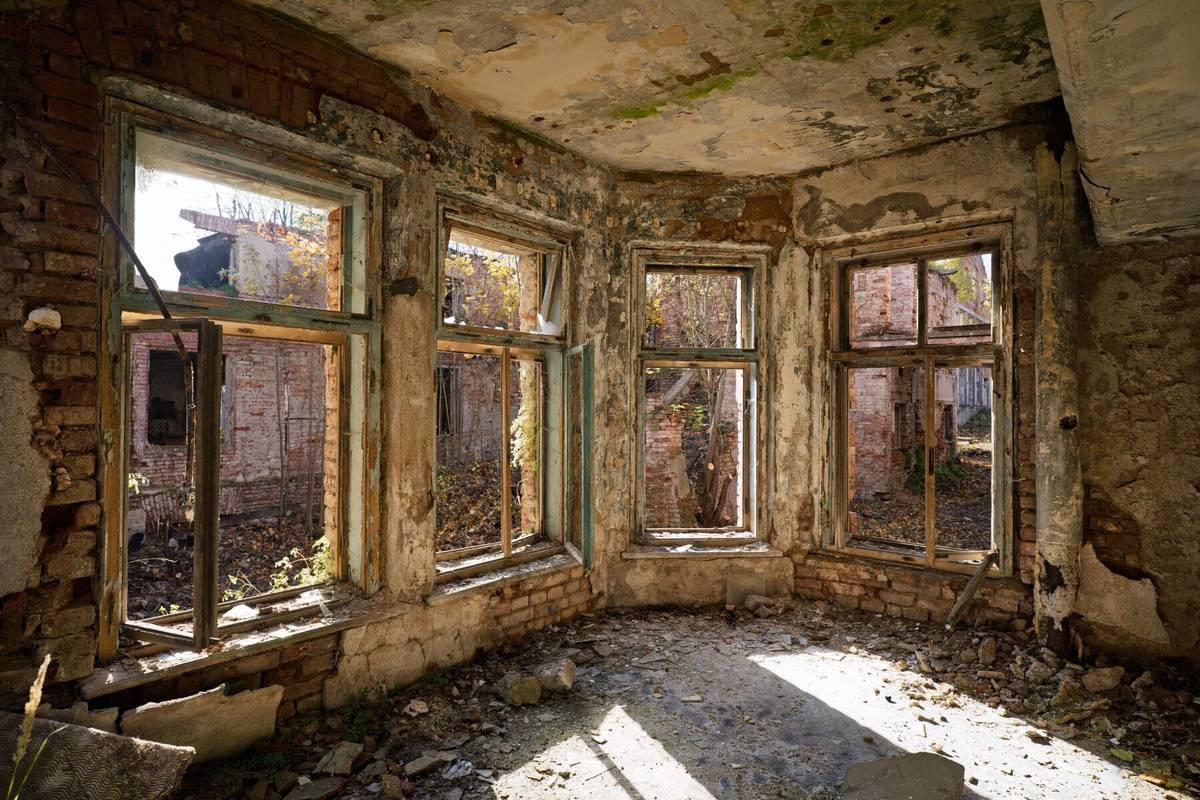
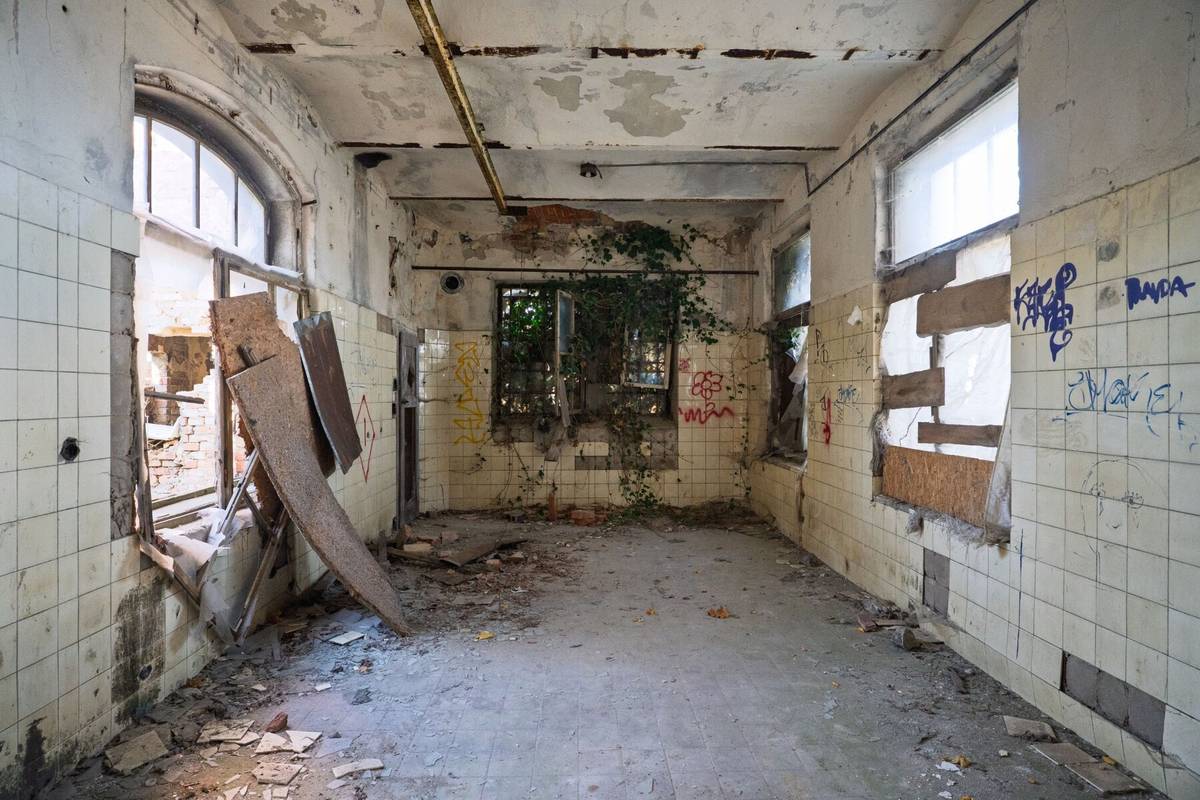
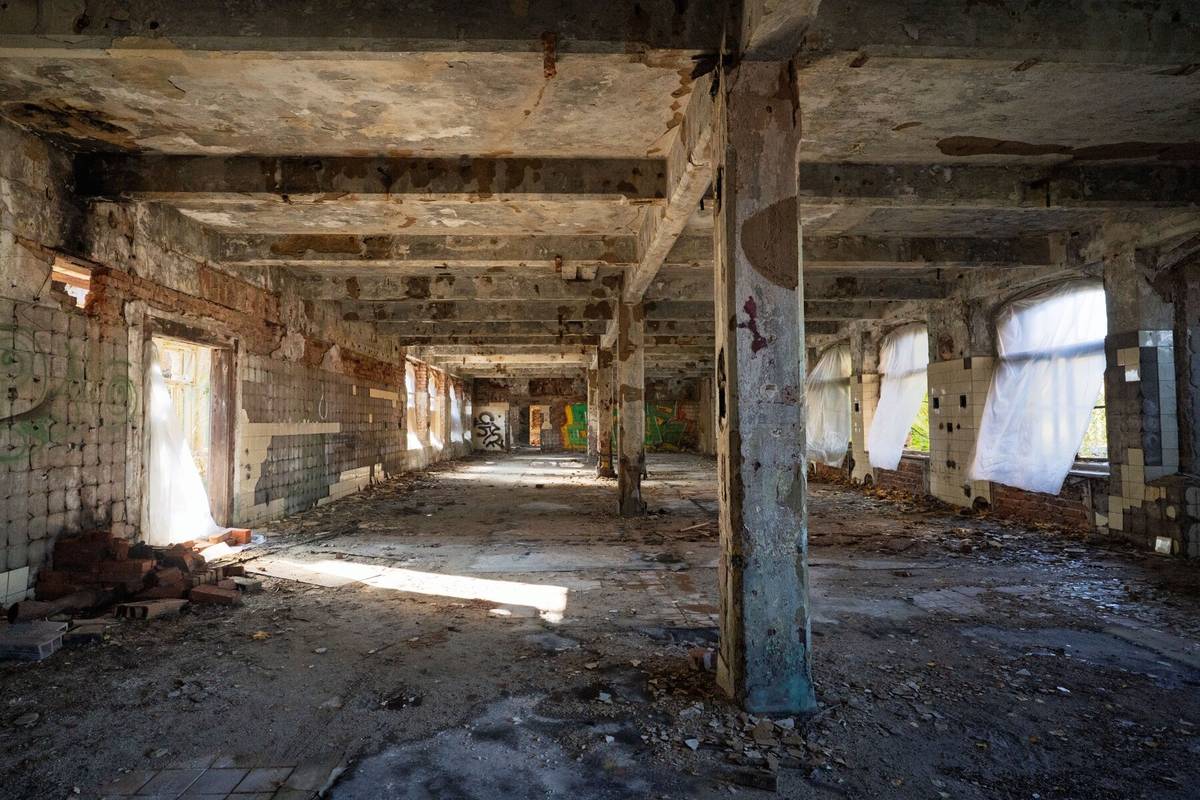
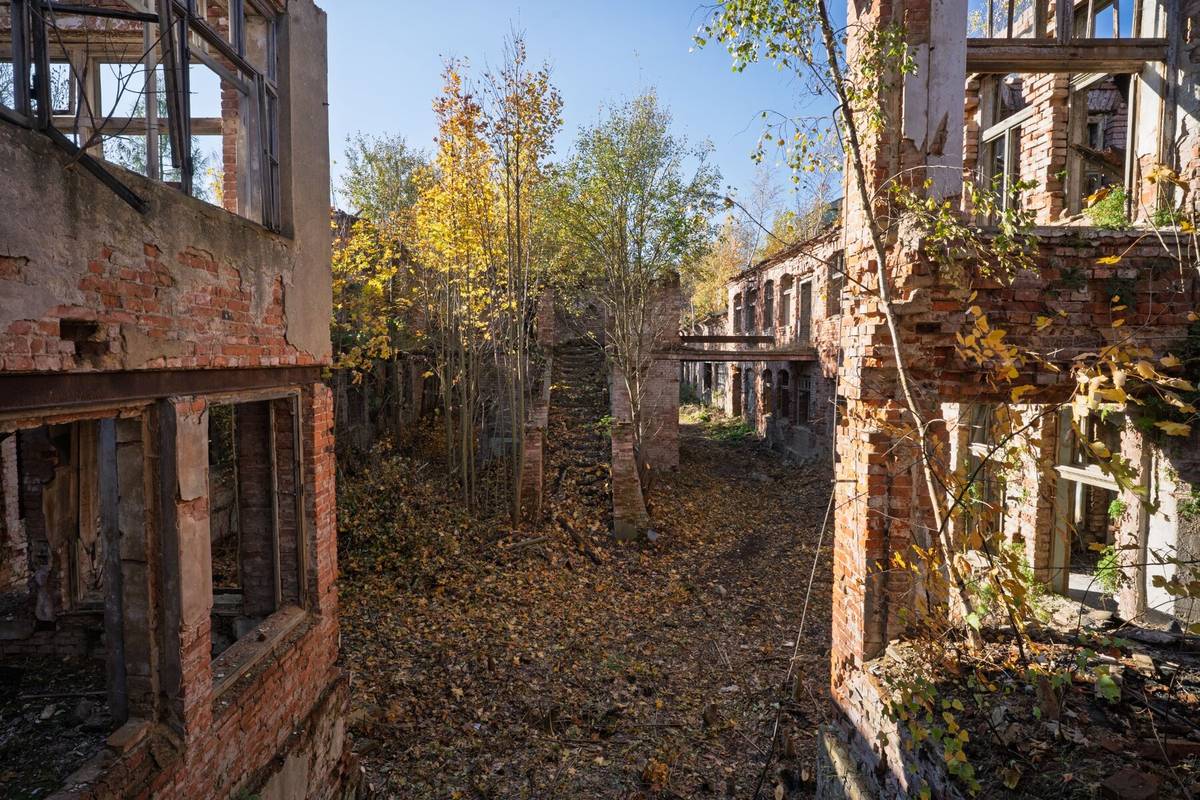
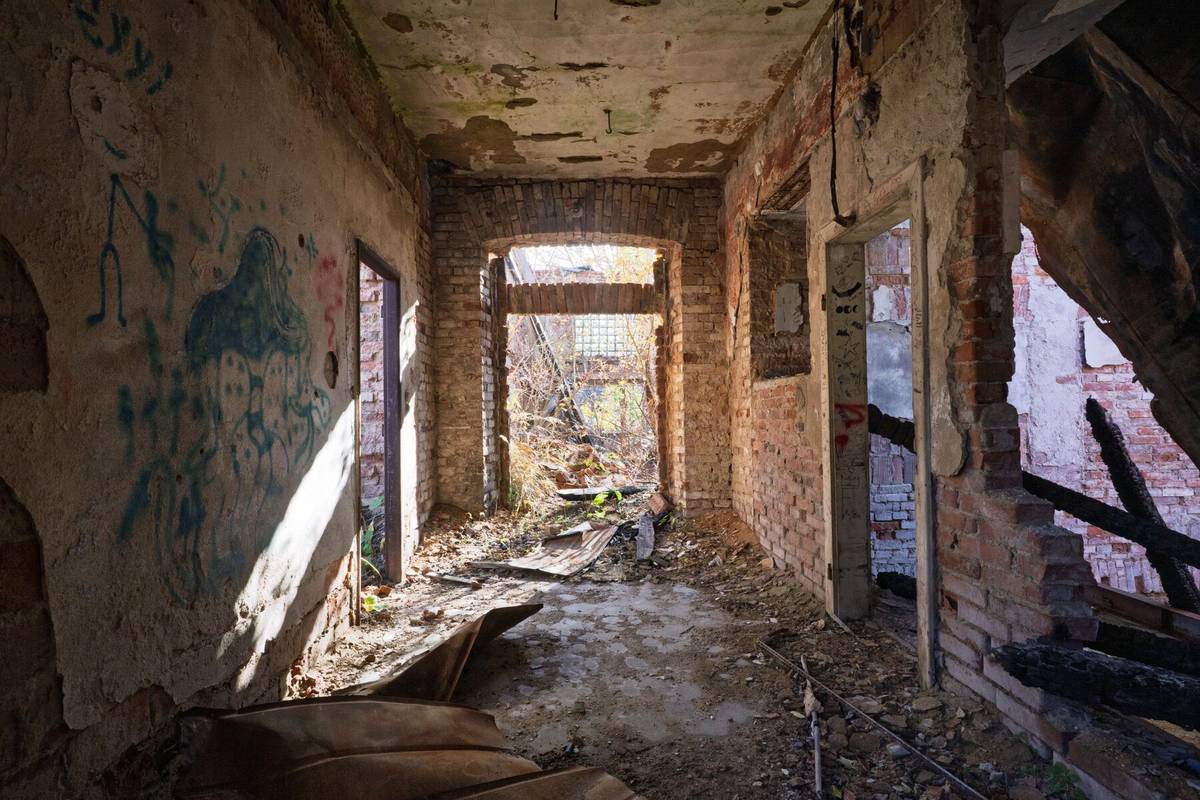
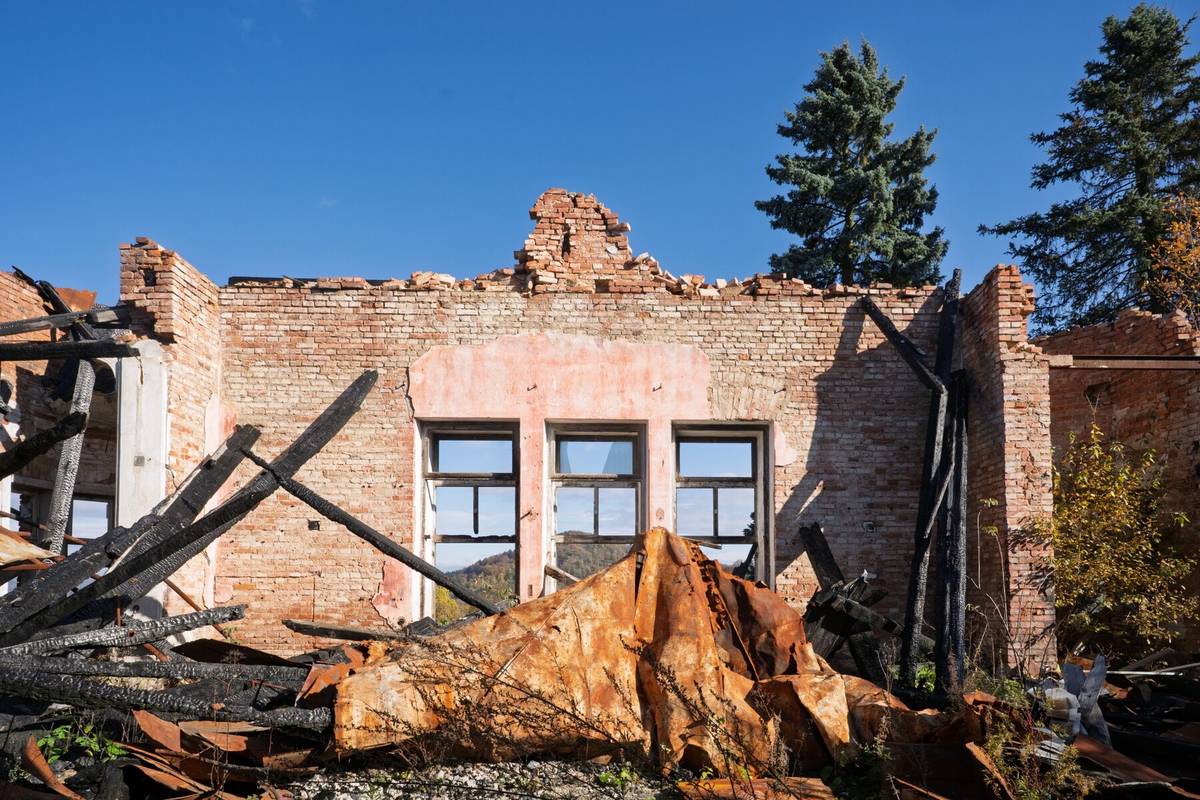
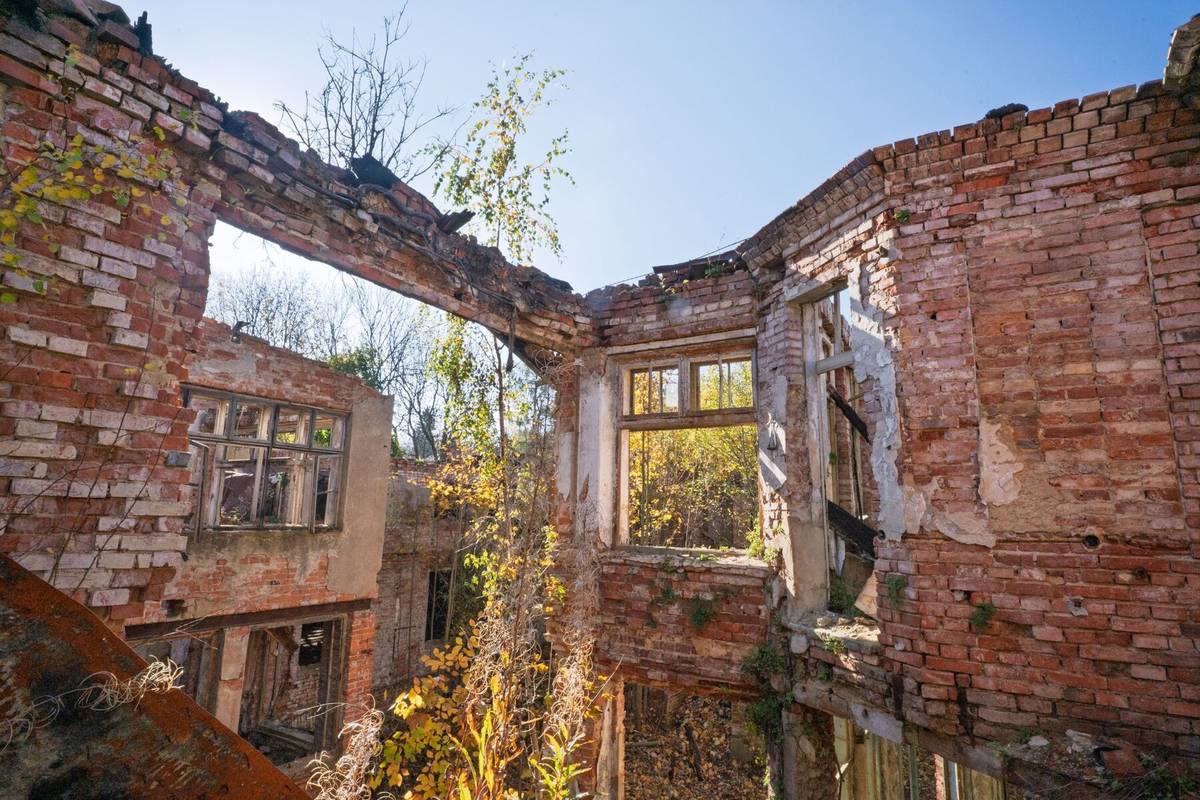
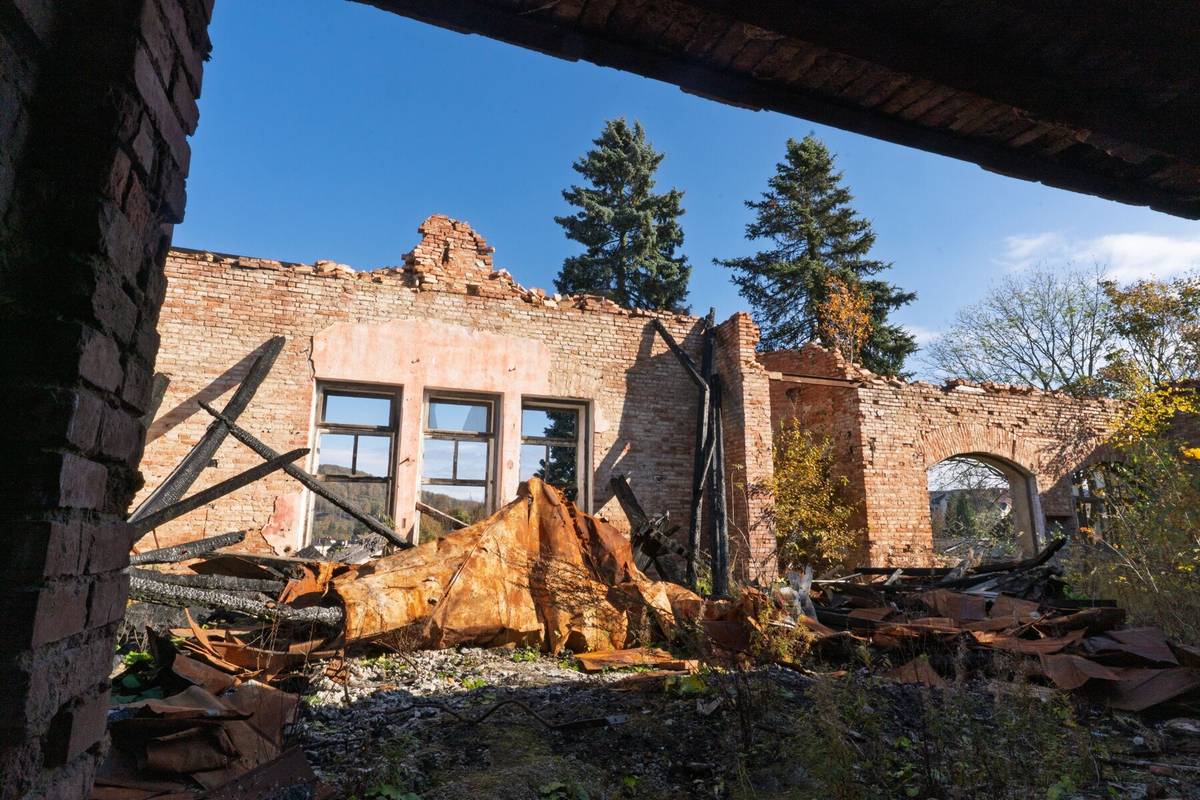
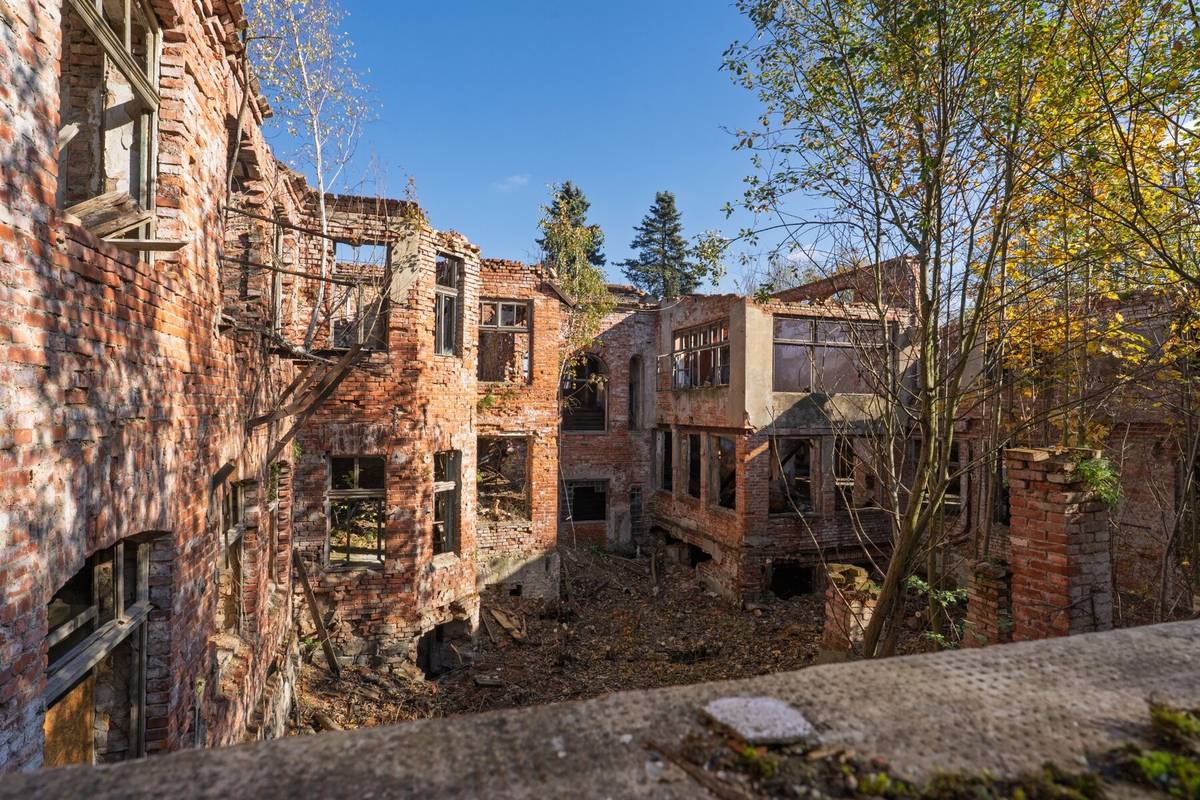
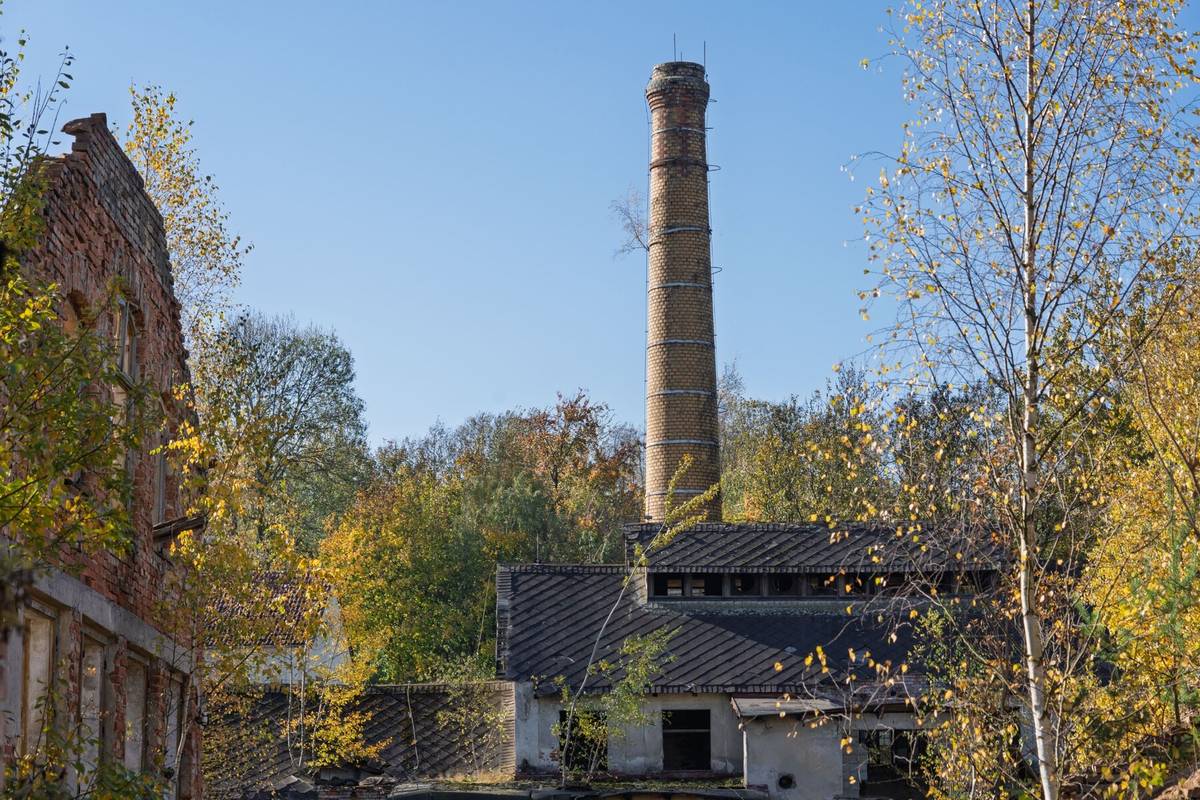
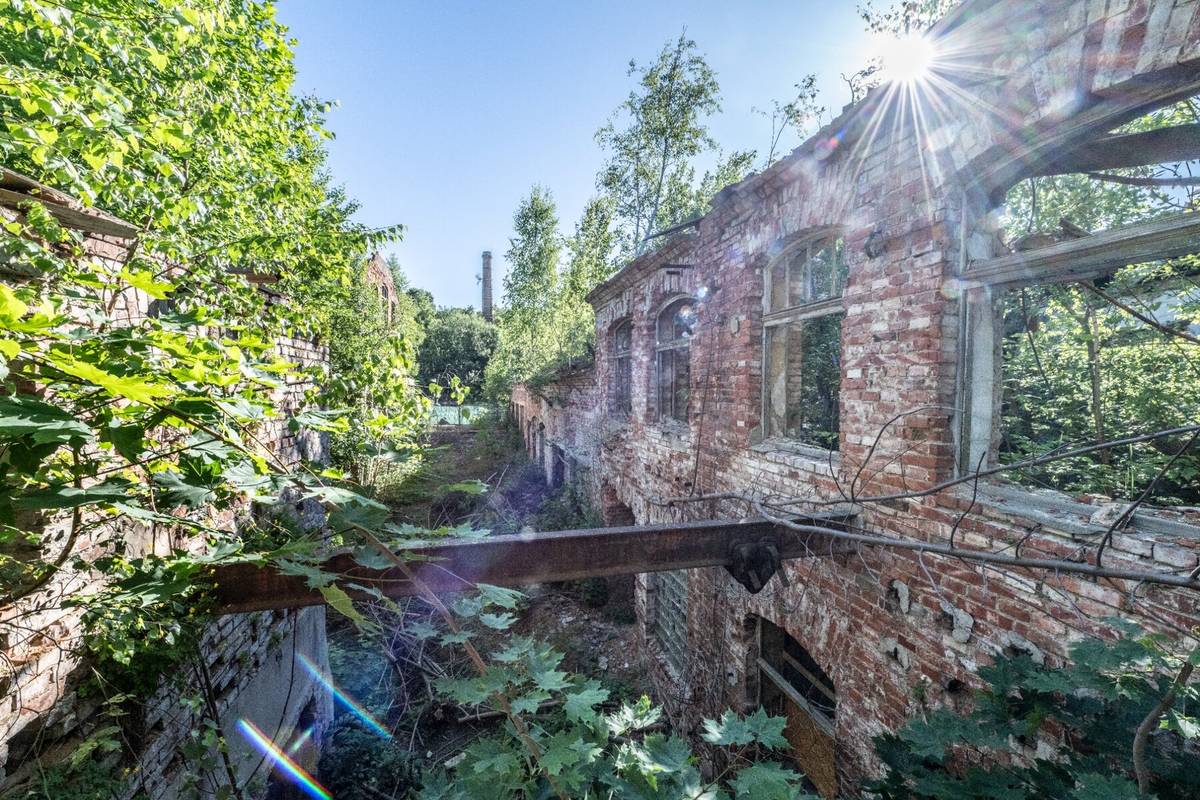
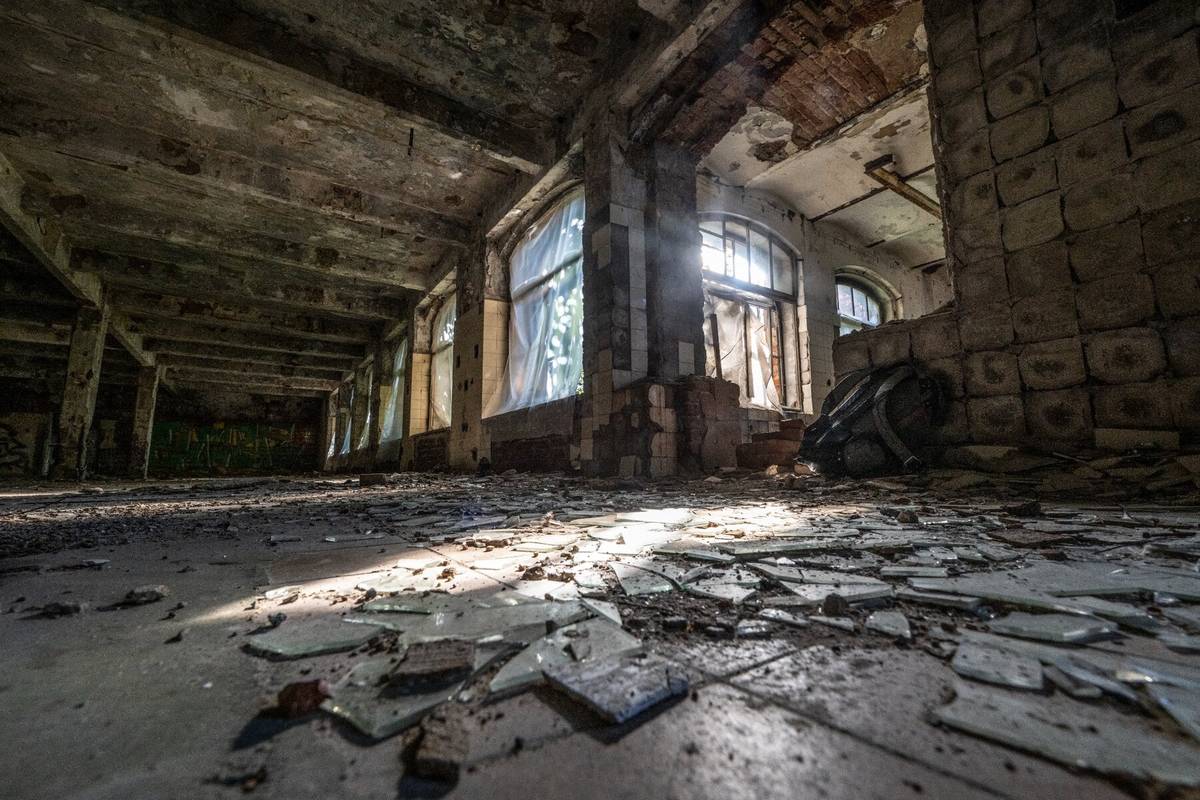
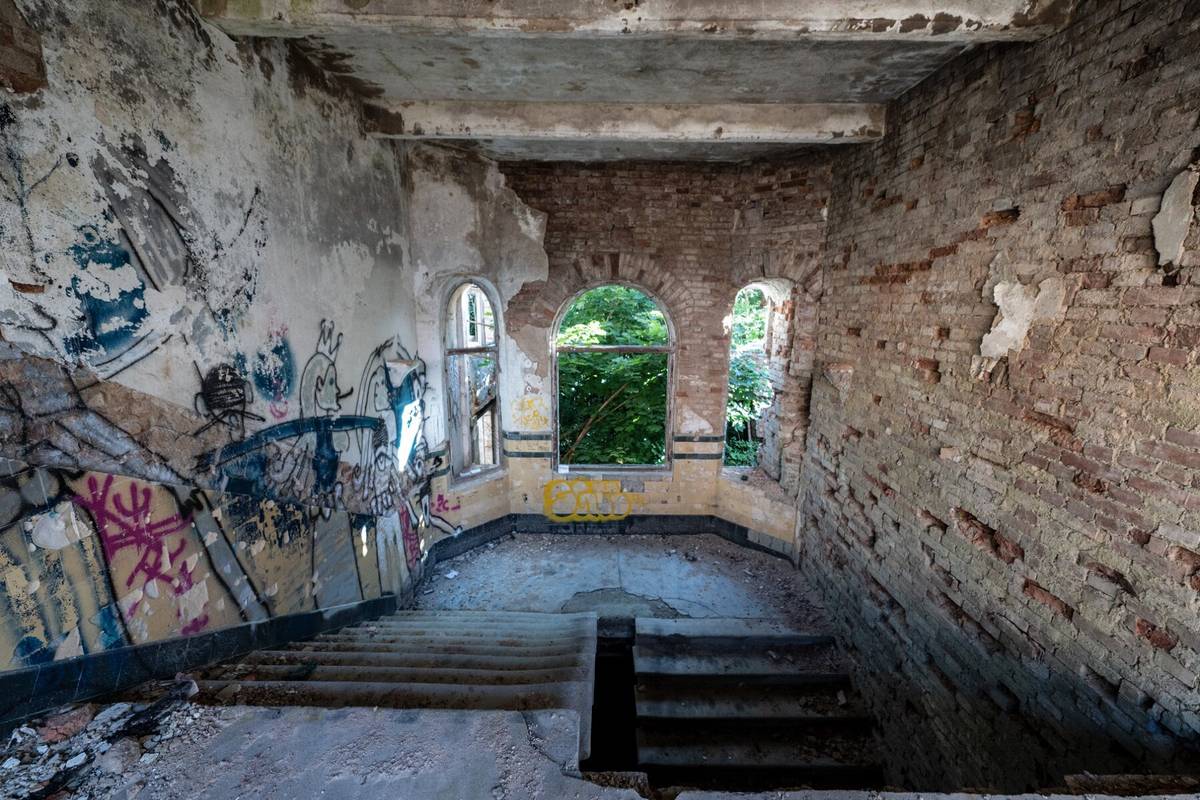
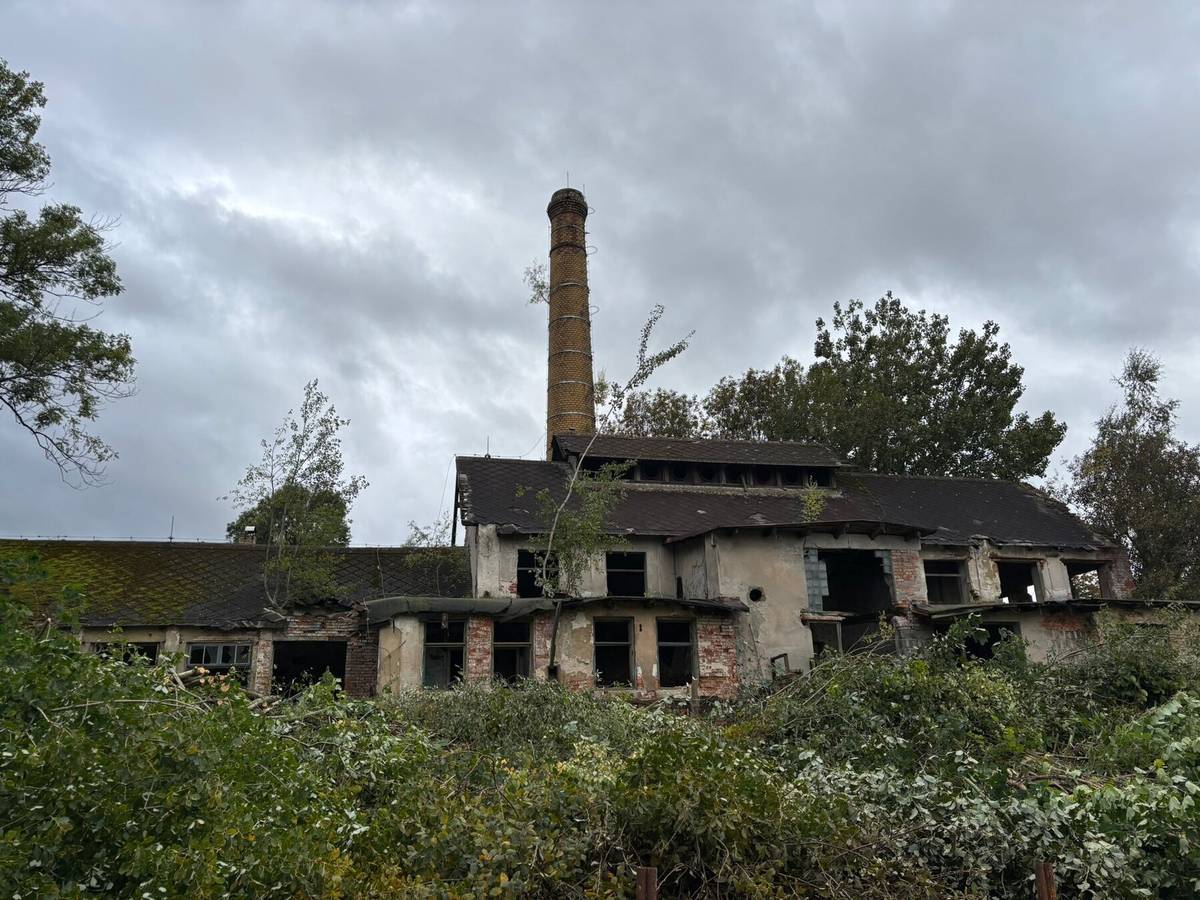
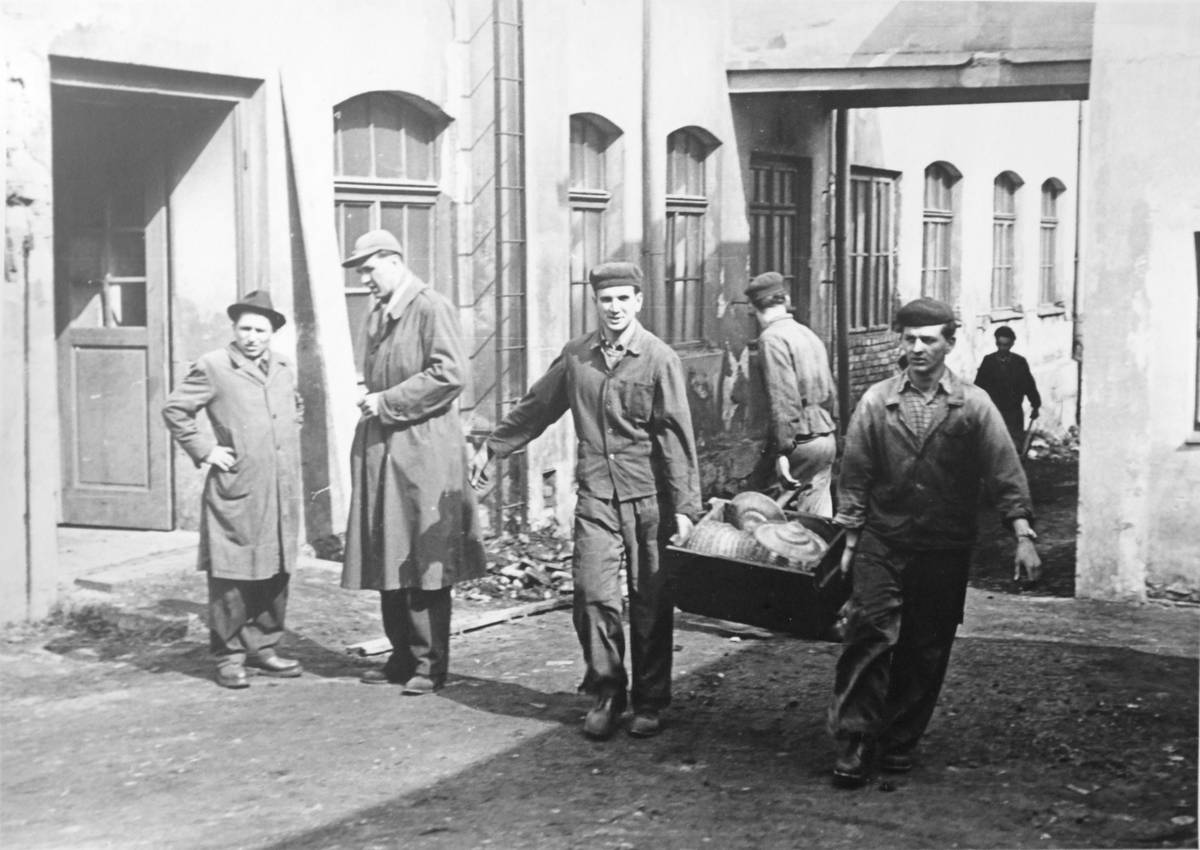
The state enterprise moves production to a new plant in the lower part of Kamenický Šenov. After decades of work, Eliáška falls silent and gradually deteriorates.
- 2007
A protected monument.
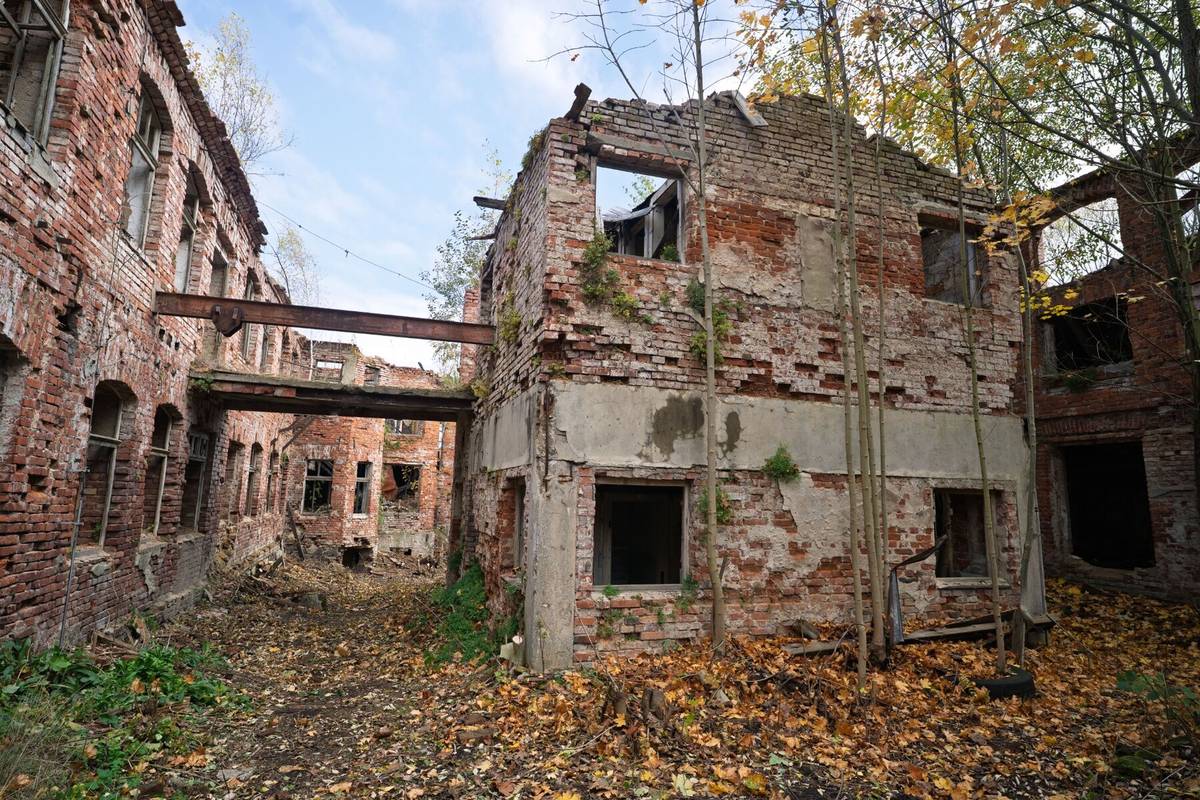
The entire former Elias Palme factory complex is listed as a cultural monument. Its value is formally recognised, but the buildings continue to deteriorate.
- 2025
A new chapter begins.
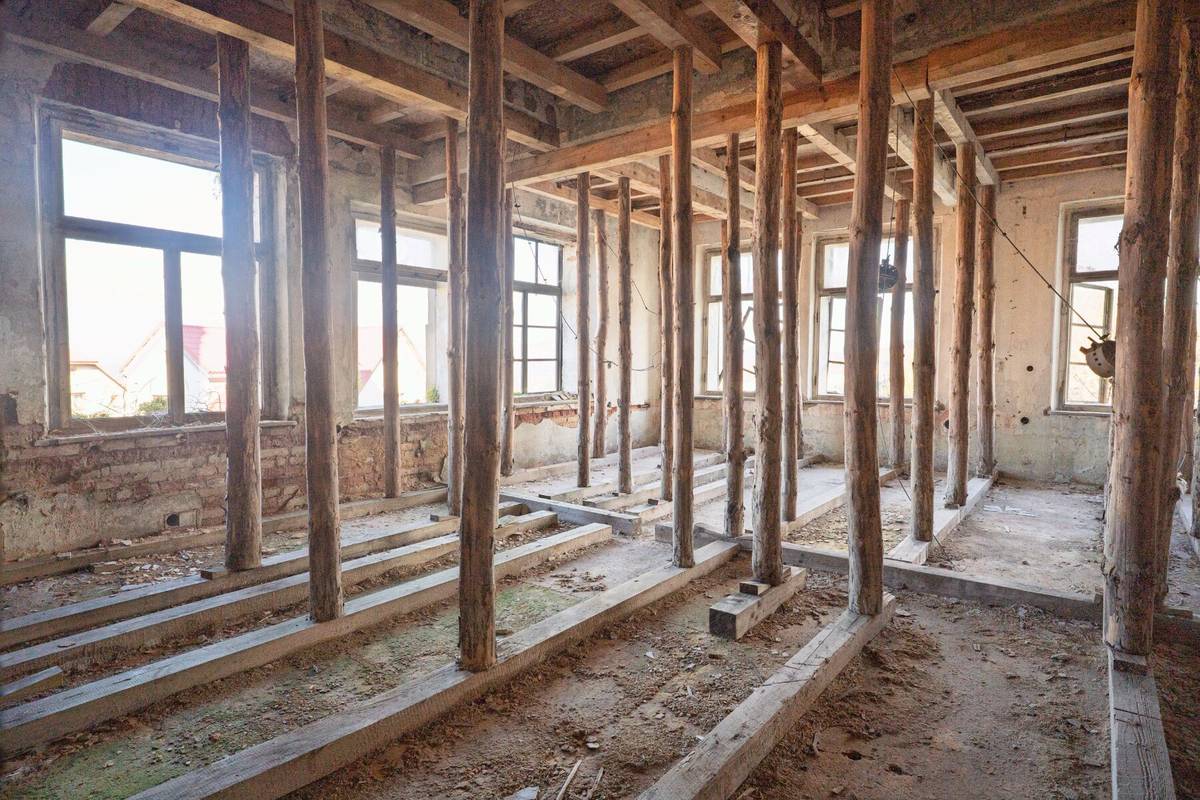
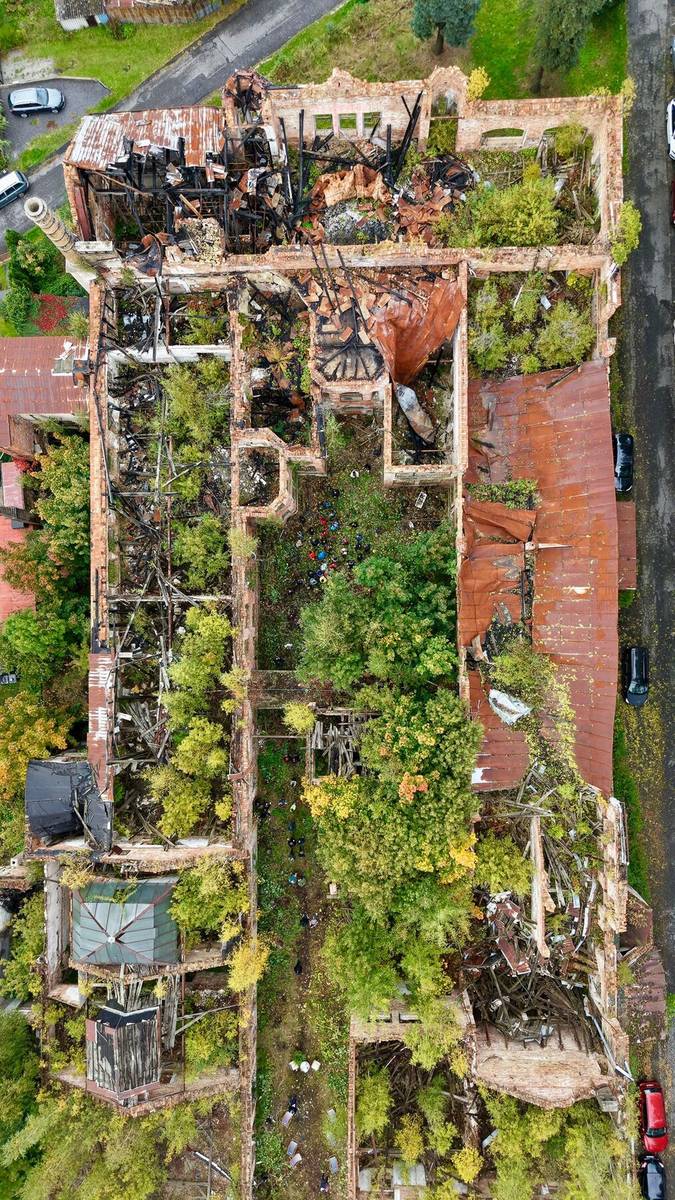
The Eliáška Foundation buys the complex and begins rescue work. After years of emptiness, people return to the factory, bringing the possibility of a new life.
A whole world behind one façade.
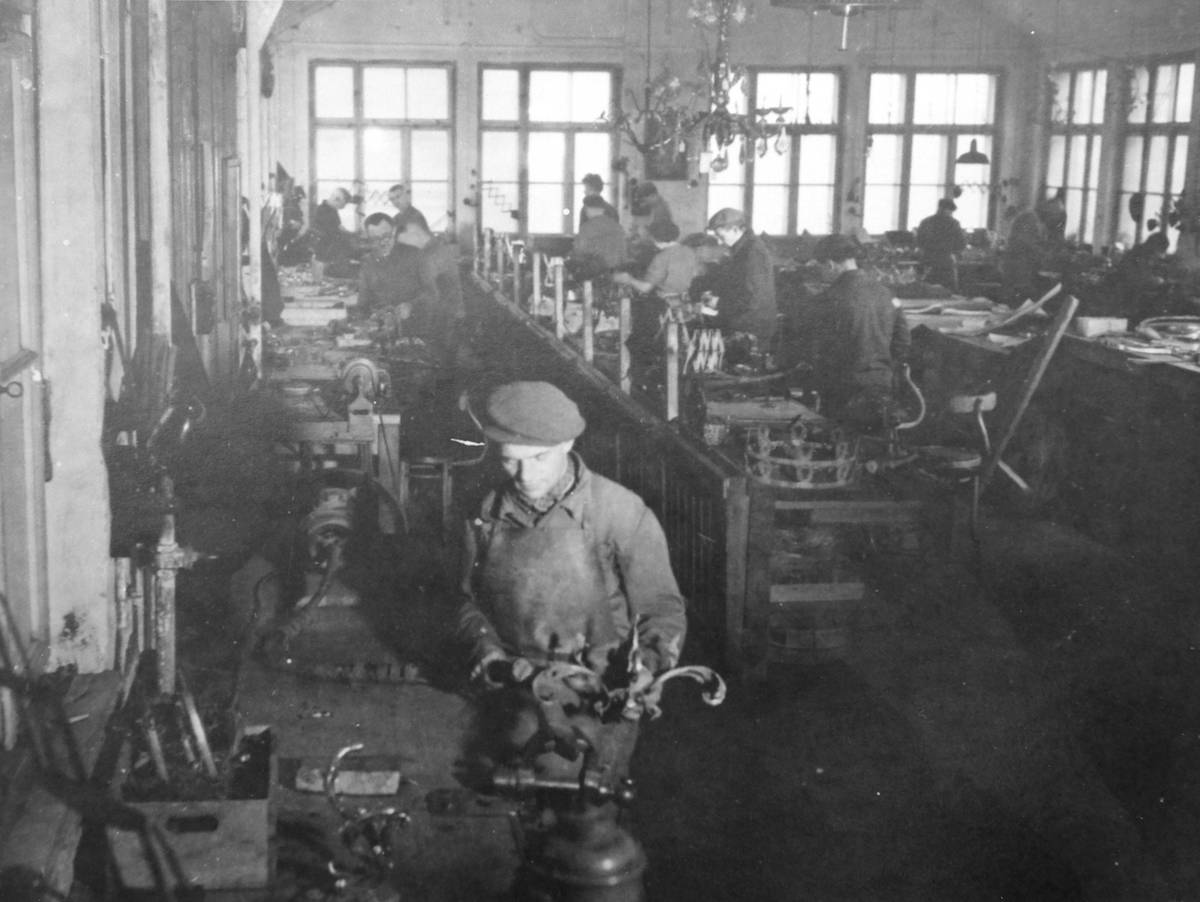
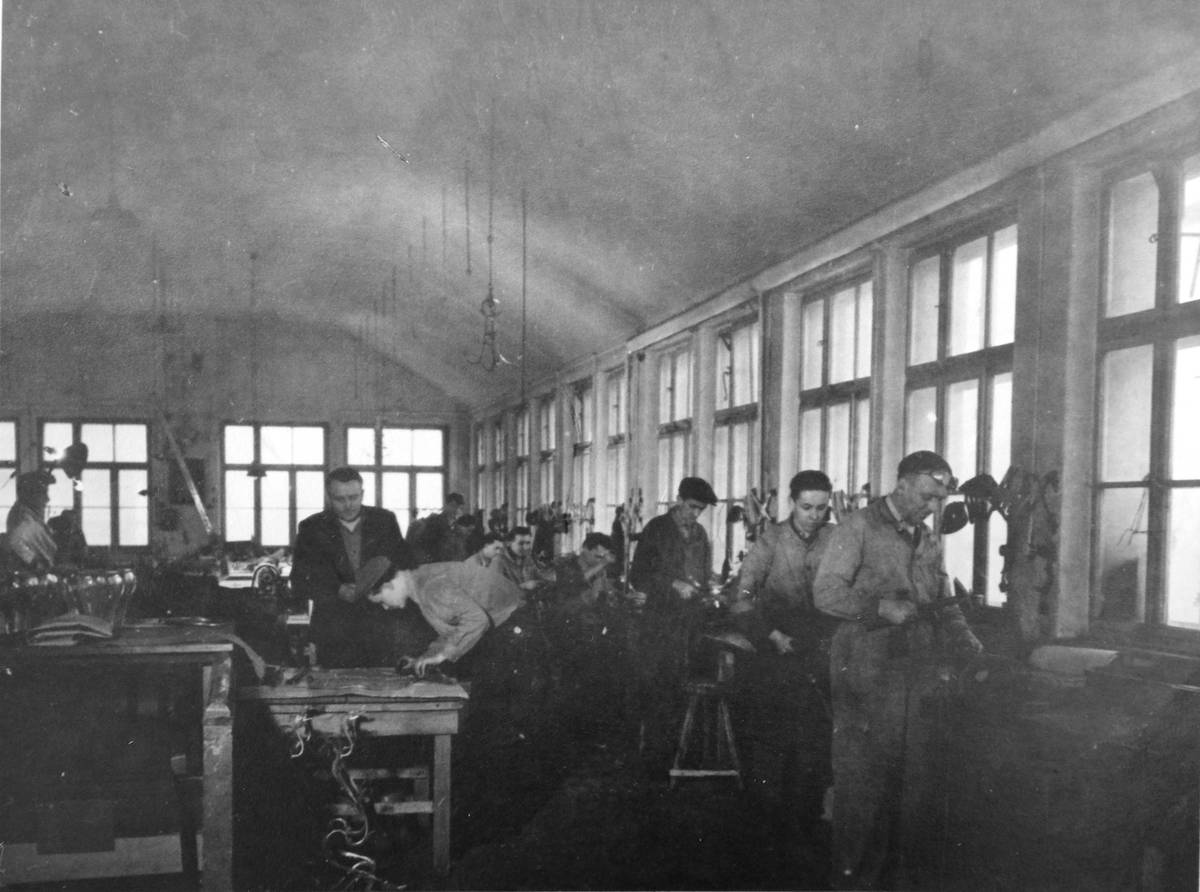
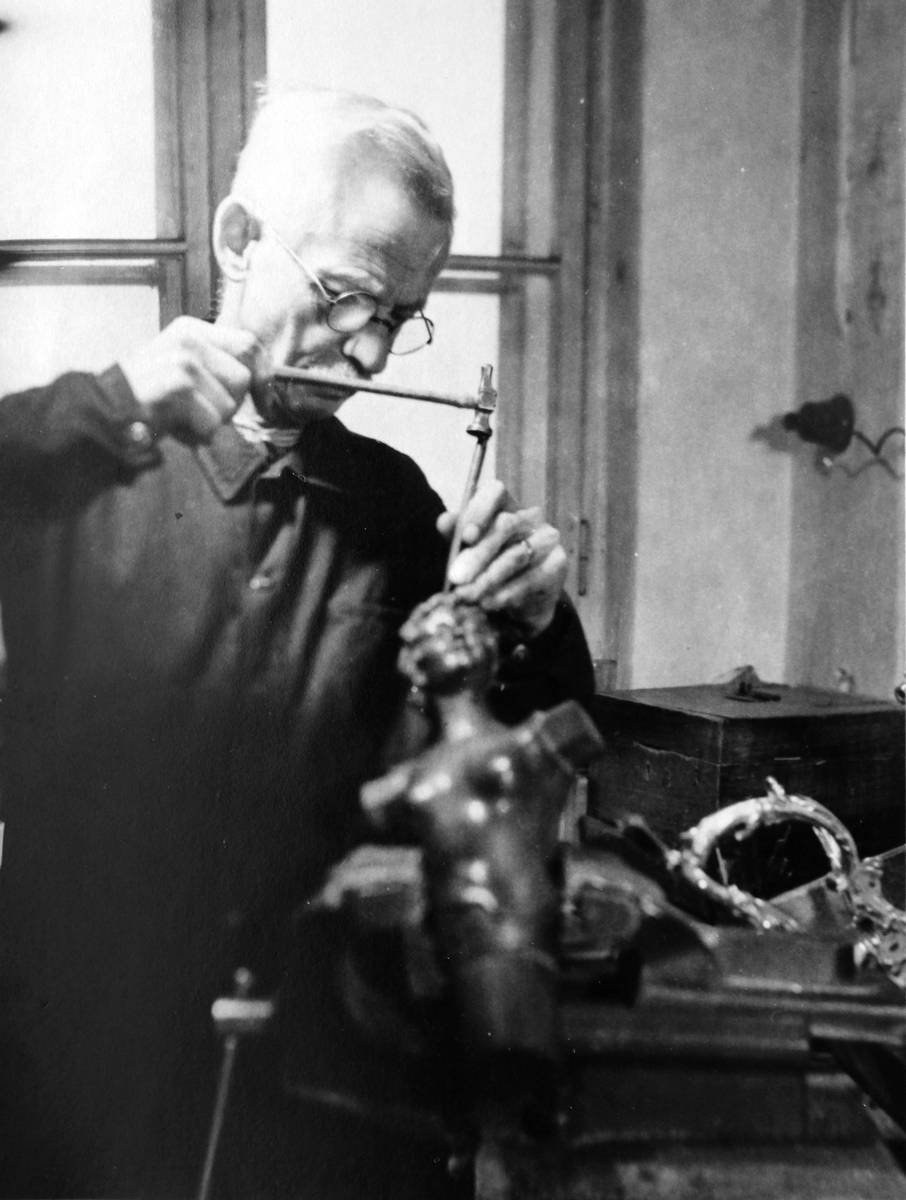
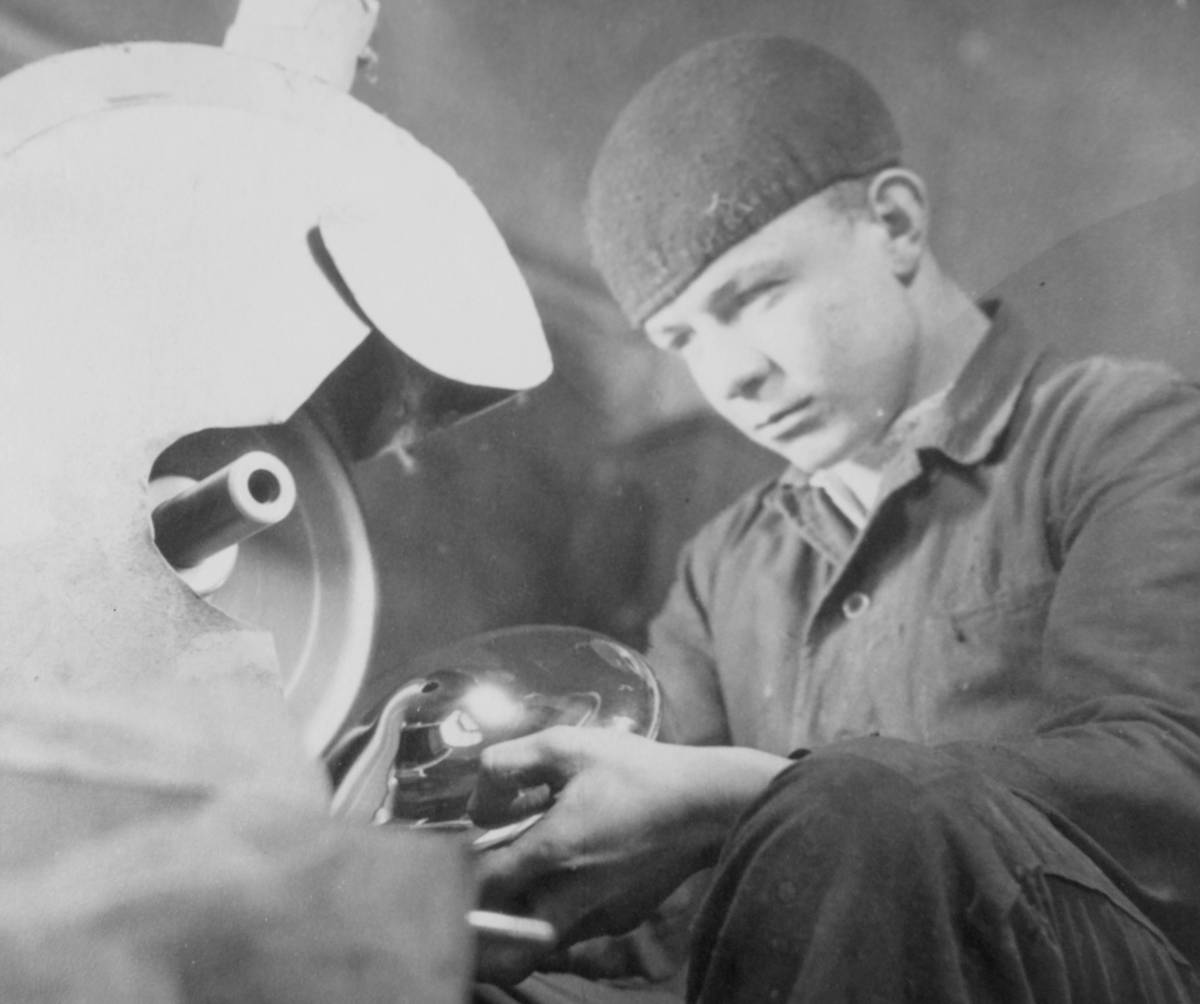
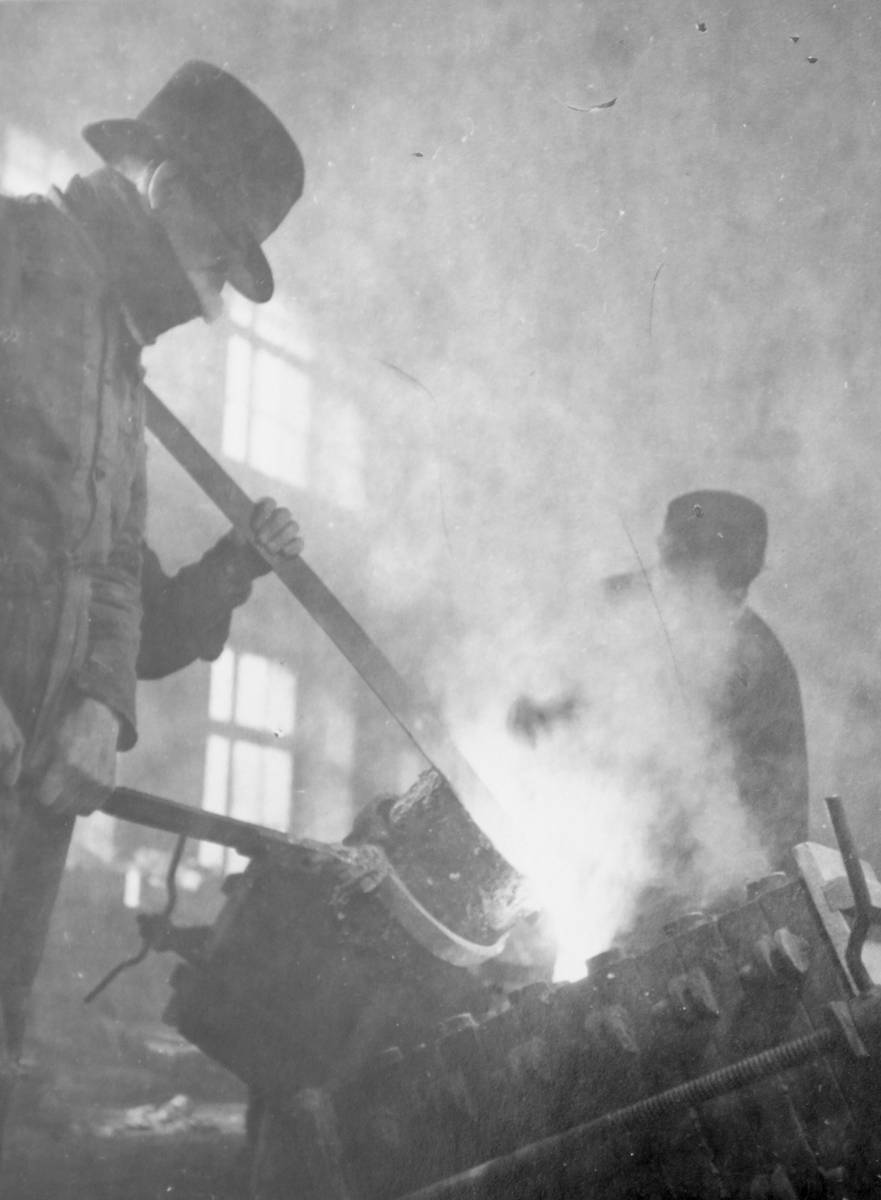
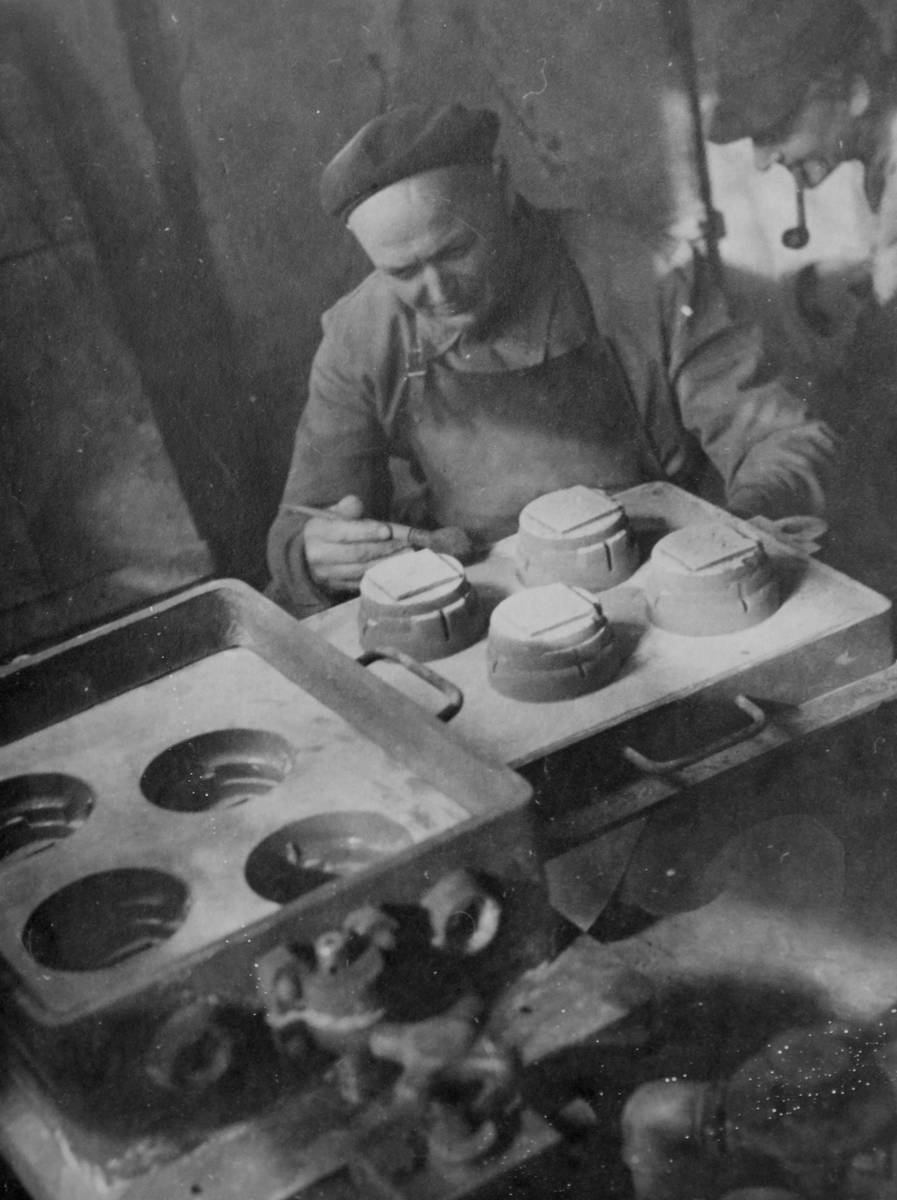
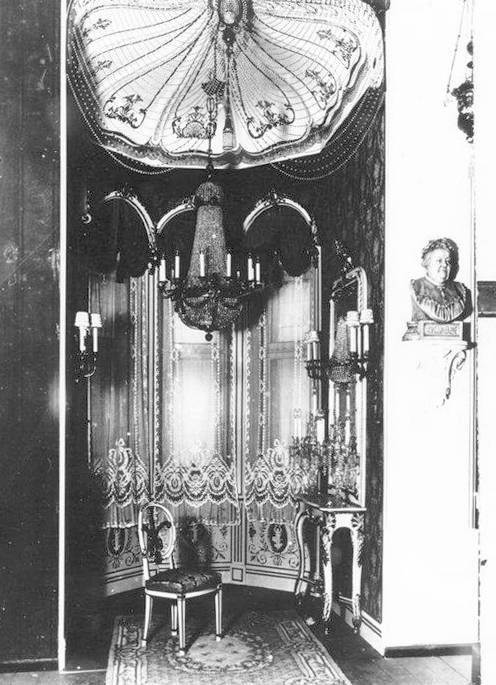
Eliáška transformed the scale of both the company and Kamenický Šenov. The new building brought work previously scattered across smaller spaces under one roof, while the growing complex made increasingly ambitious commissions possible. Behind its Art Nouveau façade were offices, a showroom, metalworking and glass-grinding workshops, electroplating facilities, warehouses and a packing room; more operations were added across the site. For local people, it was an everyday workplace. For Kamenický Šenov, it became an unmistakable landmark.
Future
MORE THAN
SAVED
WALLS.
A place to create.
For craft.
For learning.
For locals and visitors alike.
We bought Eliáška when its most urgent need was to be saved. We did not wait for a finished design: first we began securing the building, and now we are shaping its future. We want it to be a place where people work, learn, create and meet again, from morning until night. A place where the glassmaking tradition stands alongside contemporary art and new technologies. Working with the local museum, school and others, Eliáška should offer the public and professionals culture, accommodation and good food, too.
Latest
Eliáška is alive. Already.
500 Lights for the Emperor
At Designblok, we are telling the story of some of the world’s earliest electric chandeliers, made by Elias Palme for Vienna’s Hofburg Palace.
A new roof structure
Part of the foundry has a new roof structure. We hope to lay the new roofing before the end of the year.
Our first exhibition
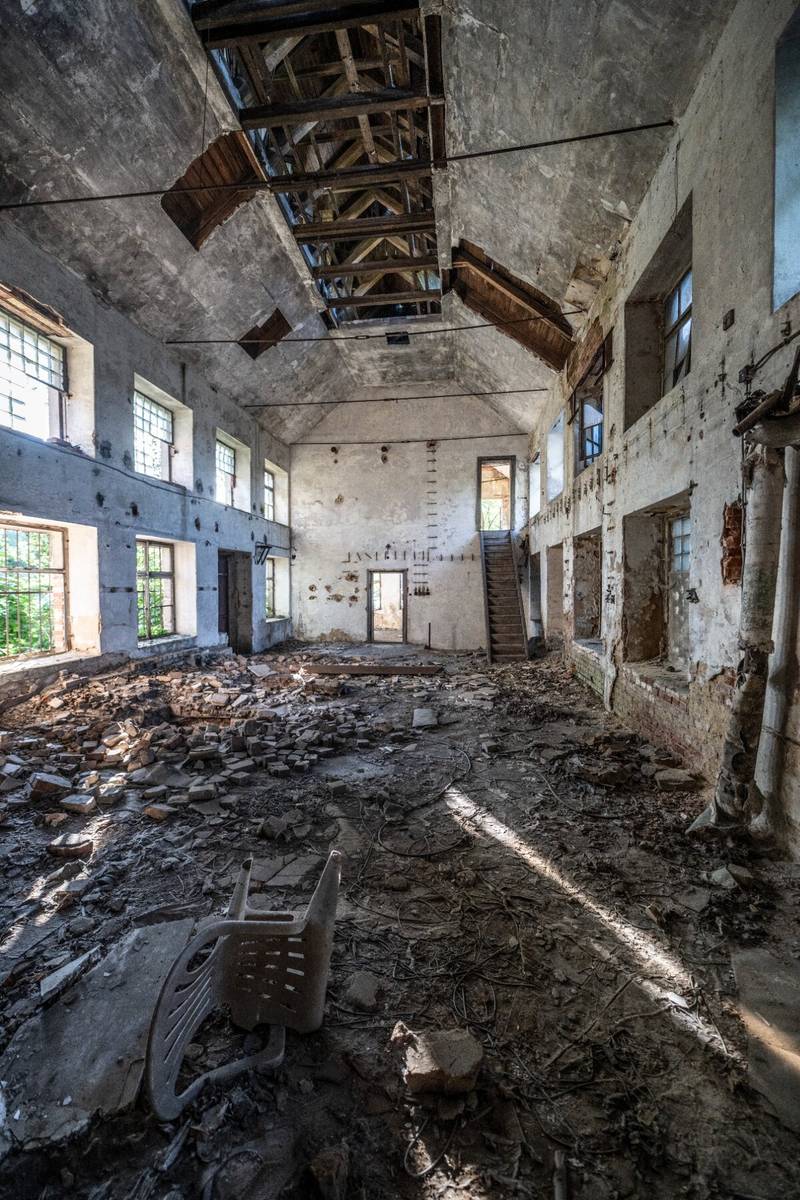
We held our first exhibition, Possibilities of Eliáška, in the foundry. The creative duo Palo Macho and Jana Hojstričová filled the space with glass and photography. Seven students from the Faculty of Architecture at CTU also presented their visions for Eliáška’s future.
Stabilisation work
Rescue work begins. With support from the Liberec Region and the Ministry of Culture, we are stabilising the main cornices, removing invasive vegetation and surveying the complex.
Our first volunteer workday
Eliáška already has what matters most: a strong community of people who care about its future. They come together for regular volunteer workdays.
The beginning
The Eliáška Foundation buys the entire complex.